
Nestled at the foot of Elephant Mountain in Vietnam’s Central Highlands lies Darahoa Village — a peaceful hamlet where mist drapes the valleys each morning, and the rhythmic clatter of looms echoes through stilt houses. This is the home of one of Vietnam’s oldest brocade weaving traditions, a cultural legacy quietly passed down through generations of K’Ho, Churu, Mạ, and other indigenous communities.
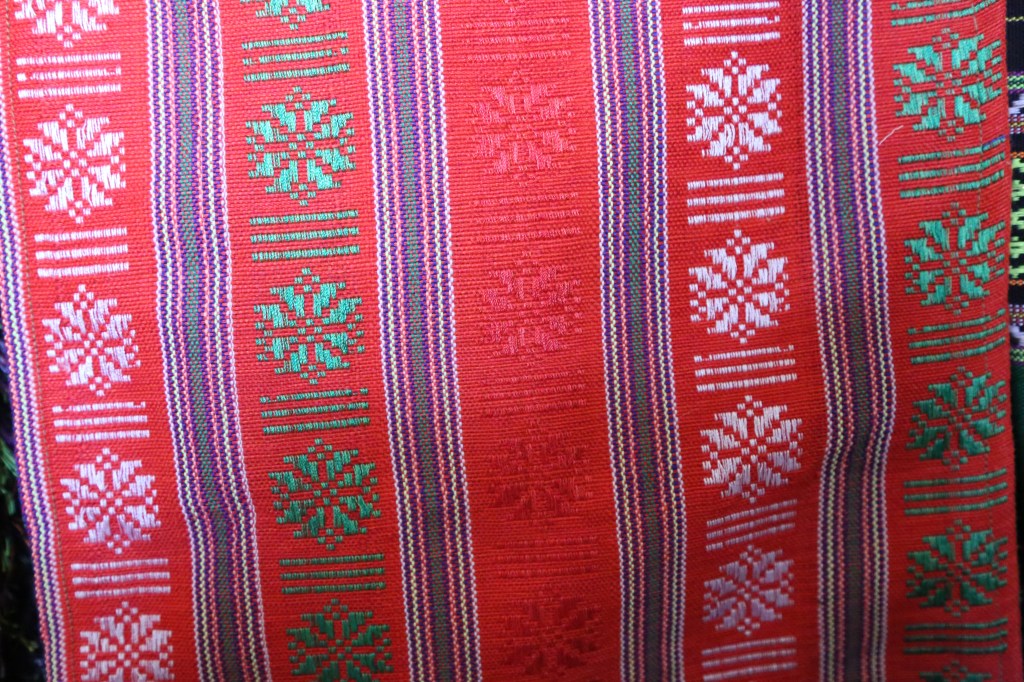
A Living Heritage Beneath the Mountain
Returning to Darahoa after many years, I found myself standing under the highland sun, greeted by the familiar hum of village life. Women, seated beside traditional looms, worked skillfully to produce vibrant fabrics from cotton and forest bark. Children played along red dirt paths while men tended the fields — all woven into the slow, grounded rhythm of a life rooted in tradition.
From Practical Garment to Cultural Identity
Centuries ago, long before industrial textiles arrived, weaving in Darahoa was born from necessity. Using cotton, tree bark, and natural dyes, local artisans crafted garments and household items. Over time, this practice evolved into a powerful symbol of cultural identity. Today, every handwoven piece carries stories of mythology, nature, spirituality, and personal heritage.
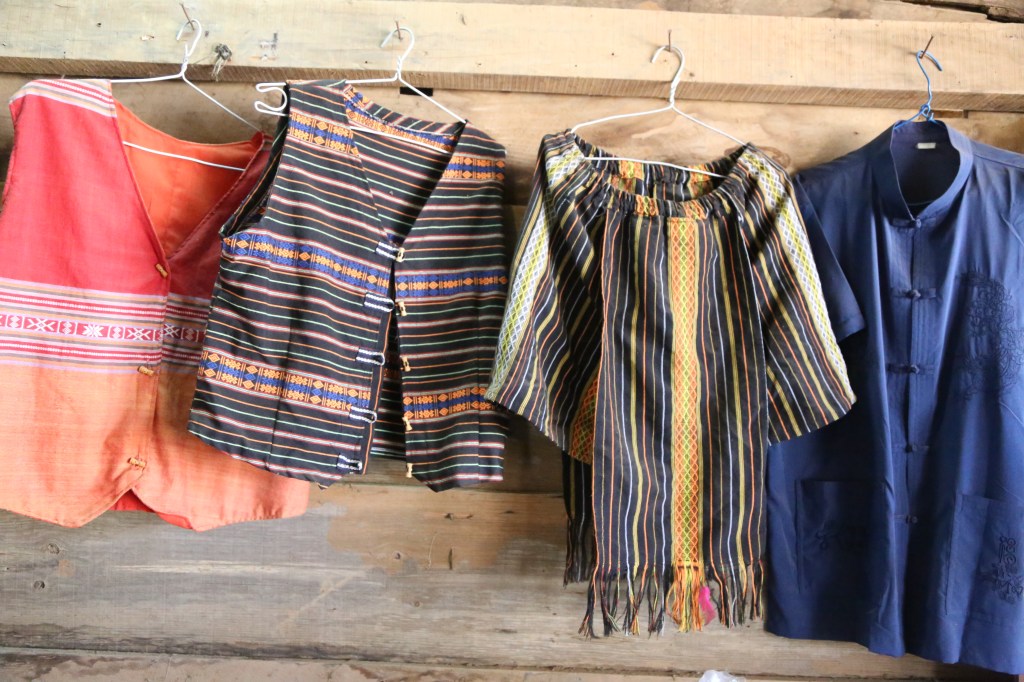
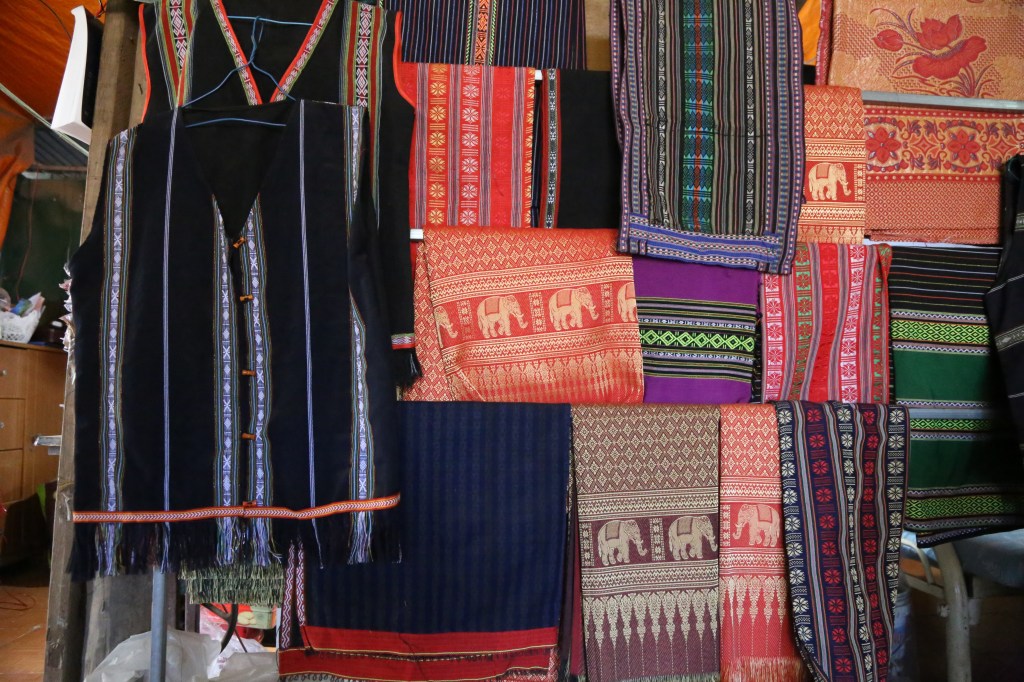
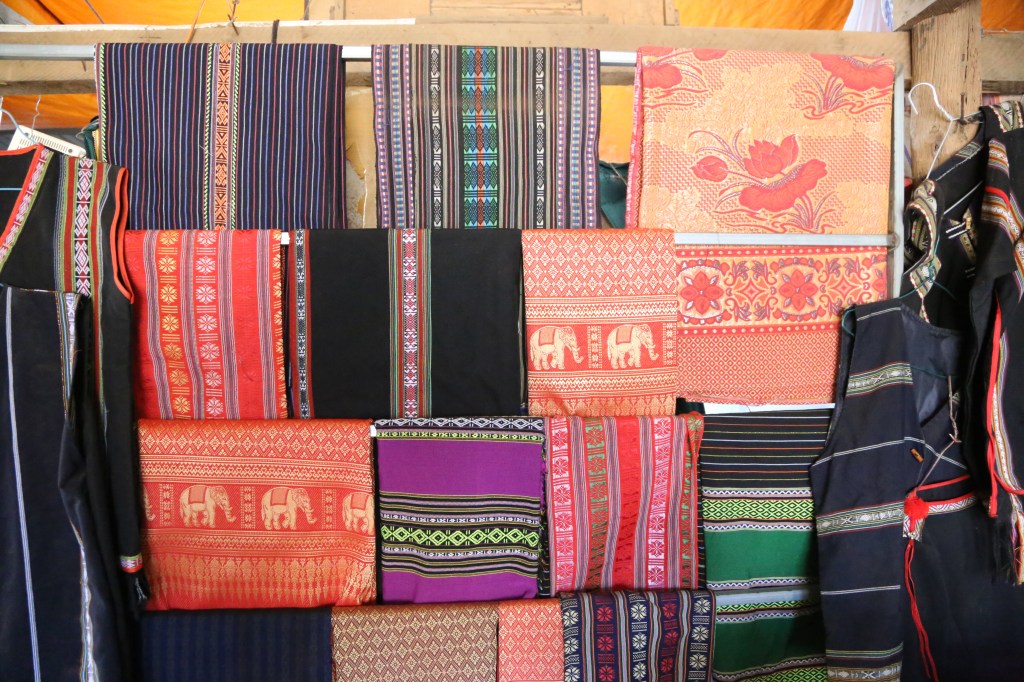
The Art of Handweaving: Nature as a Palette
1. Sustainable Fibers
Weavers harvest cotton from local farms and extract silk-like fibers from the bark of trees like mulberry and kapok. These are spun into strong threads by hand — a labor-intensive but sustainable process.
2. Natural Dyes
Color comes from the land itself: mahogany bark gives deep brown, bàng leaves bring mossy green, turmeric adds a golden glow. Each dye requires careful boiling and repeated soaking to lock in color naturally, without chemicals.
3. Traditional Looms, Timeless Skills
Using handmade looms, women weave both basic and intricate patterns with remarkable dexterity. Some pieces take weeks or months to complete. Advanced weavers, like the revered K’Bih, can craft symbolic motifs entirely from memory — no templates, just skill passed down through generations.
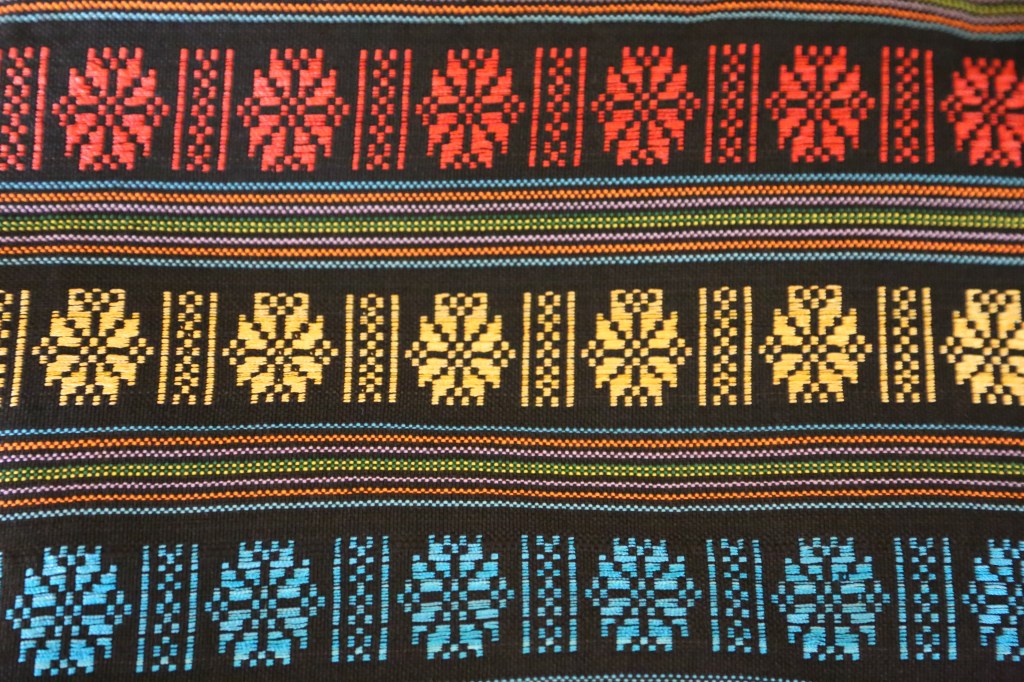
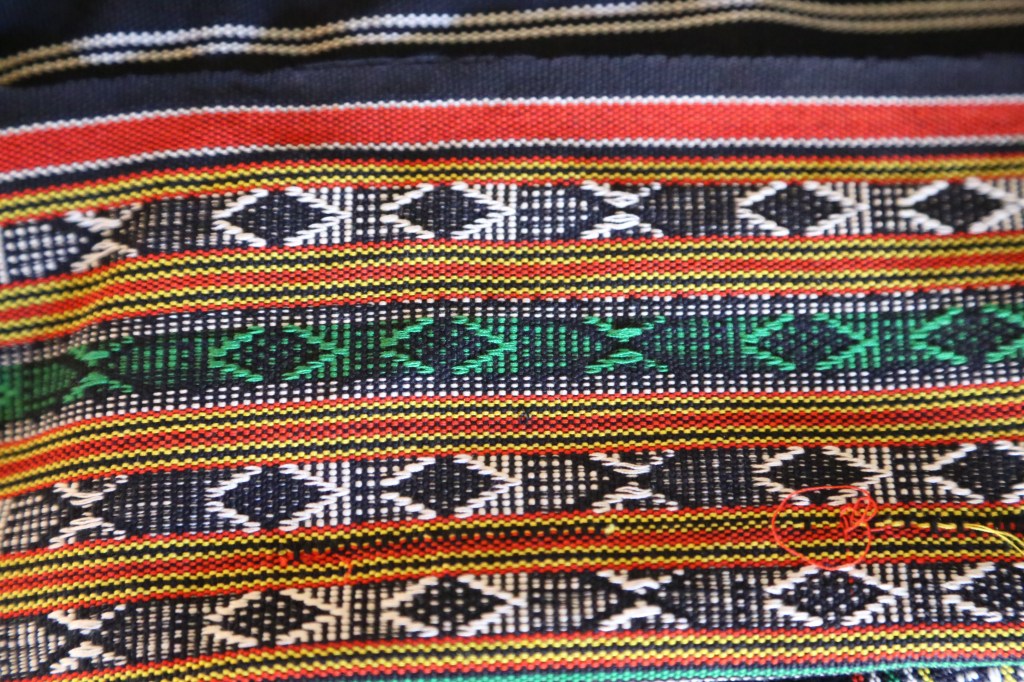
Woven Stories: The Meaning Behind the Motifs
Each ethnic group expresses its soul through pattern and palette:
- K’Ho: Simple geometric shapes in red, black, and white reflect harmony with nature and ancestral beliefs.
- Churu: Vivid motifs inspired by birds, trees, and the sun symbolize daily life and cosmic balance.
- Mạ: Designs featuring humans, animals, and sacred icons are believed to offer protection and spiritual strength.
- Jing, Chăm, Khmer: From oceanic symbols to temple-inspired motifs, each weave tells stories rooted in history, faith, and land.
K’Bih – The Keeper of the Flame
Among Darahoa’s guardians of tradition is K’Bih, a master weaver who began her journey in childhood. With grace and determination, she’s preserved the art through turbulent times, teaching local youth for free and keeping the flame alive when no one else could.
Yet, the post-pandemic reality is harsh. With tourism dwindling and synthetic fabrics flooding the market, Darahoa’s weavers now struggle to sustain their craft. Handmade brocade is often mistaken for machine-made cloth, its value overlooked.
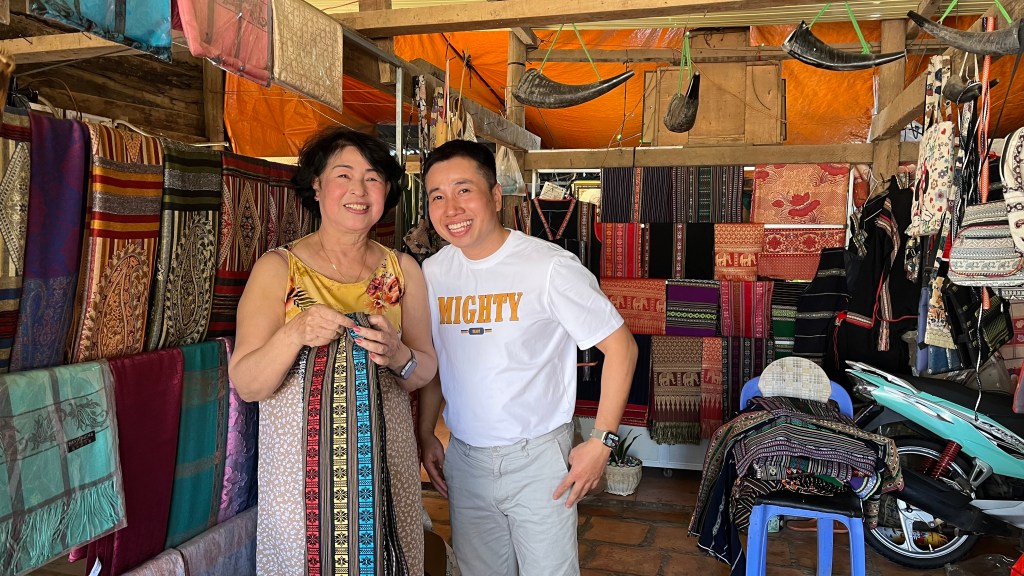
Reviving a Dying Art: What Can We Do?
To support this invaluable heritage, here are a few actionable ideas:
- Eco-Value Messaging: Emphasize the use of sustainable, natural materials — a clear advantage in today’s eco-conscious world.
- Design Innovation: Blend traditional motifs with modern aesthetics to create fashion, accessories, and interior decor pieces.
- Market Expansion: Build strong brand identities, foster partnerships with designers, and integrate the village into cultural tourism circuits.
- Community Support: Provide micro-loans, improve technology (without sacrificing authenticity), and empower artisans to become educators and entrepreneurs.
A Heritage Worth Weaving Into the Future
The brocade of Darahoa is more than cloth — it’s a living archive of memory, spirit, and resilience. Preserving this craft means preserving the soul of an entire culture. As I returned to the city, my mind echoed with the weavers’ quiet hope: “How can we keep this tradition alive?”
I invite you — travelers, creatives, cultural enthusiasts — to join this journey. Share an idea, tell a story, or simply wear a piece of brocade with pride. Let’s help Darahoa weave its way into the future.
#VietnamHandloom #WeavingCulture #DarahoaVillage #VietnameseBrocade #CulturalHeritageVietnam #TextileTraditions #EthnicCraftsVietnam #IndigenousArt #HandmadeVietnam #WeavingStories #SlowCraft #SustainableWeaving #EcoTextiles #NaturalDyes #EthicalCrafts #ZeroWasteFashion #MadeByHand #ExploreVietnam #VietnamHiddenGems #DalatTravel #CentralHighlandsVietnam #CulturalJourney #OffTheBeatenTrackVietnam
#TomsNotesOnVietnam, #HandcraftedLives, #WovenWithSoul

 Tom's Notes
Leave a comment