
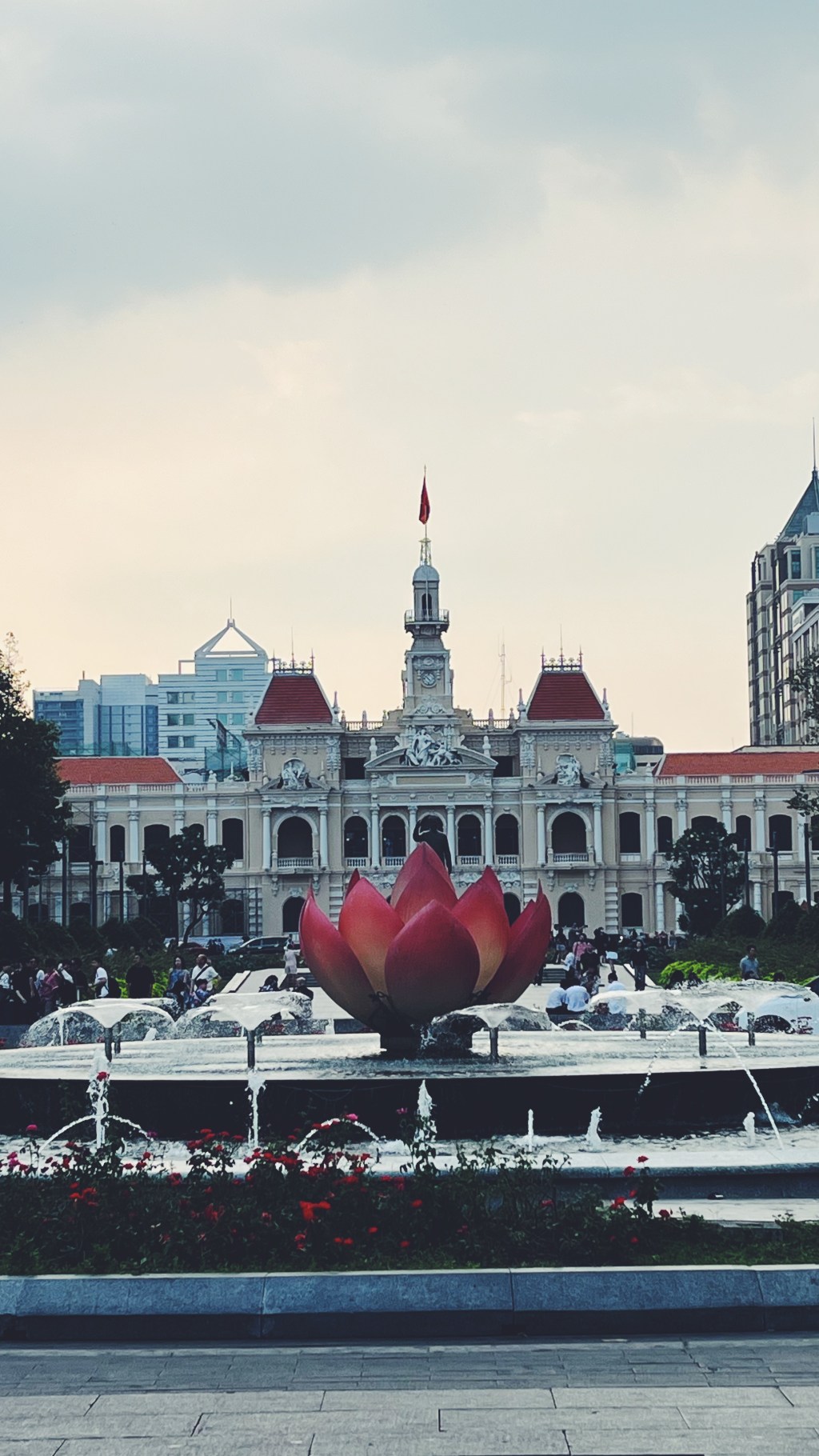
In the heart of bustling Ho Chi Minh City stands a gem of French colonial architecture — the Ho Chi Minh City People’s Committee Building, formerly known as Dinh Xã Tây. Built between 1898 and 1909, this iconic structure offers not just a glimpse into the city’s colonial past, but also a rich narrative of cultural fusion, architectural artistry, and enduring civic pride.
A Journey Through History
Designed by French architect Femand Gardès, the building originally served as the headquarters for the Saigon City Council under French rule. Over a century later, it remains the central seat of municipal government, symbolizing the city’s evolution into Vietnam’s leading economic and cultural hub.
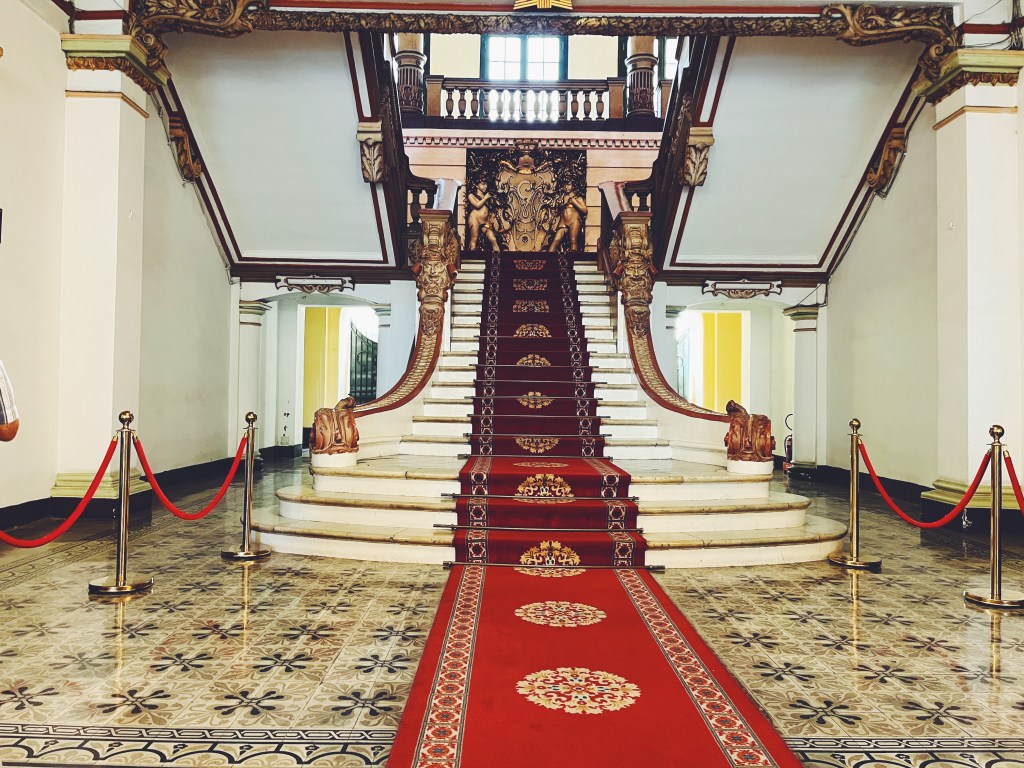
Though typically closed to the public, limited monthly tours offer rare insight into its majestic interiors and storied past. On a lucky November afternoon, I joined one such tour — an unforgettable experience steeped in history and beauty.
Architectural Grandeur
European Neoclassical Elegance
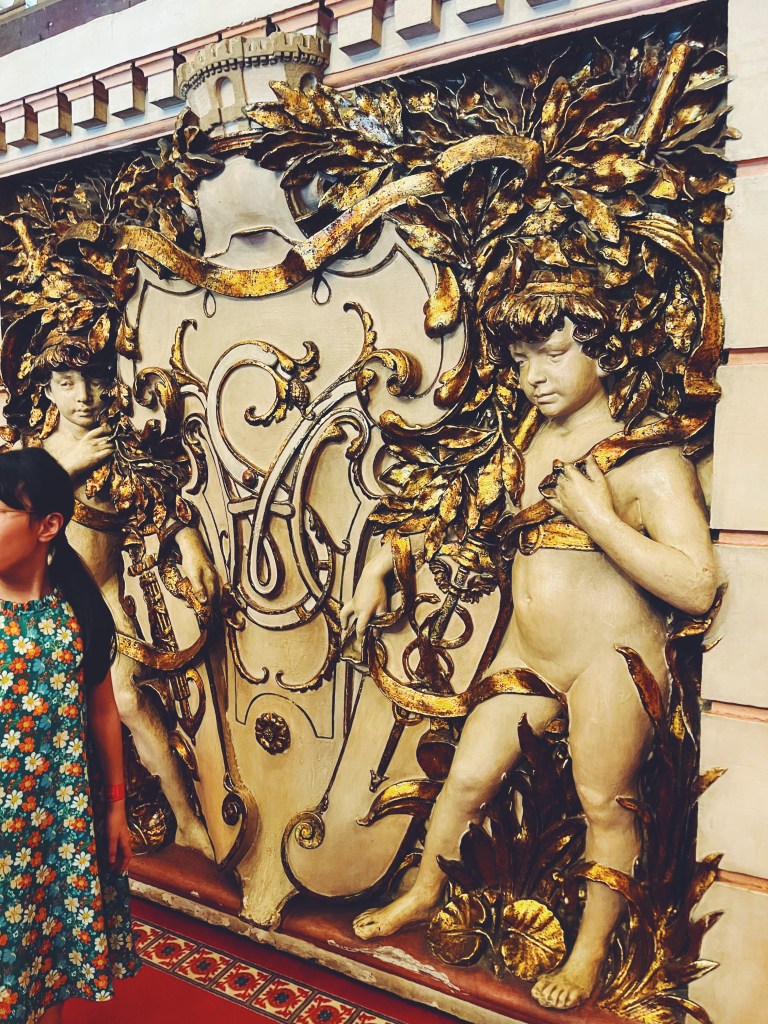
The building’s architecture is a masterclass in European neoclassical design, featuring symmetrical façades, arched windows, and sculptural ornamentation. Its soft yellow walls and red-tiled roof blend effortlessly with the tropical landscape, while ornate details such as carved reliefs, Greek goddesses, and cherubic angels elevate the structure into a living work of art.
Symbolism in Stone
Every sculpture tells a story. Greek goddesses holding olive branches or scrolls symbolize wisdom and governance; winged cherubs with laurel wreaths reflect victory and hope. Delicate floral and vine motifs etched along columns and cornices express harmony with nature — a hallmark of Renaissance influence.
At the center rises a clock tower, representing the passage of time and the endurance of the city’s civic spirit. Surrounding bas-reliefs depict Vietnamese workers and citizens, a nod to unity and resilience through eras of change.
The Art Within
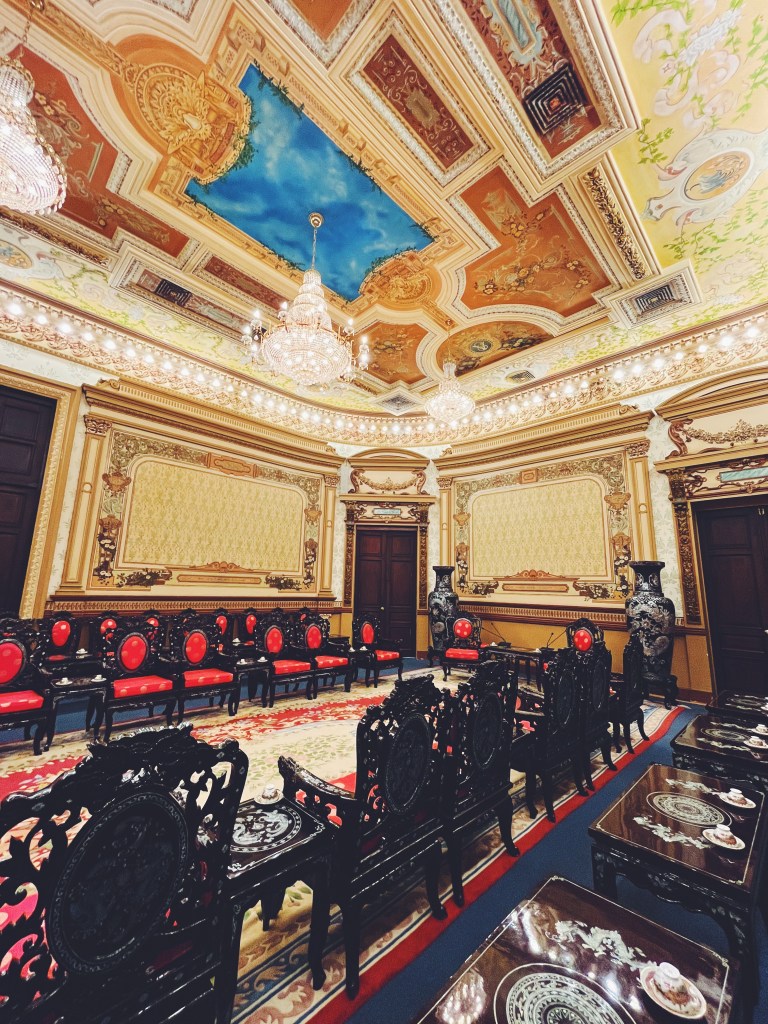
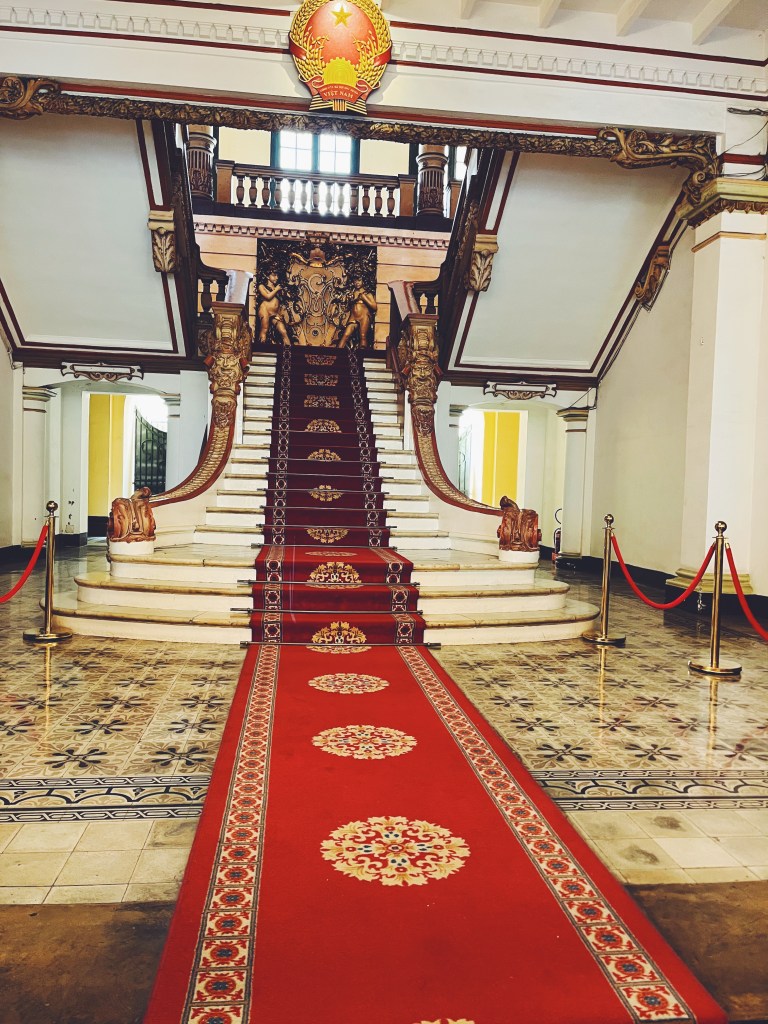
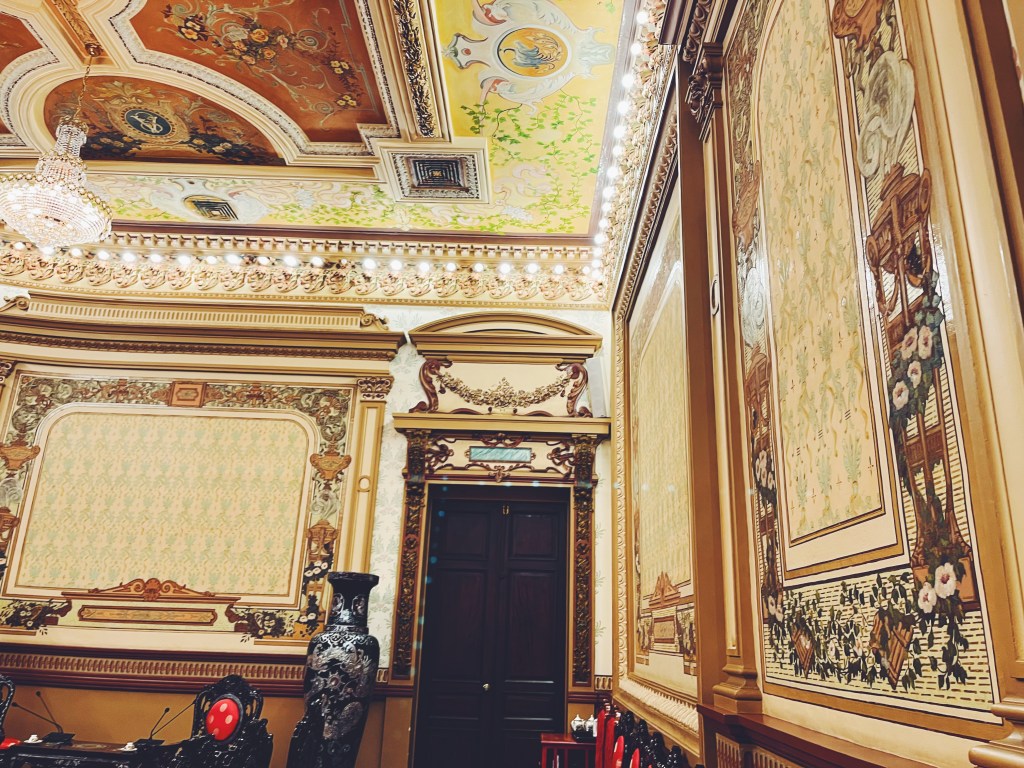
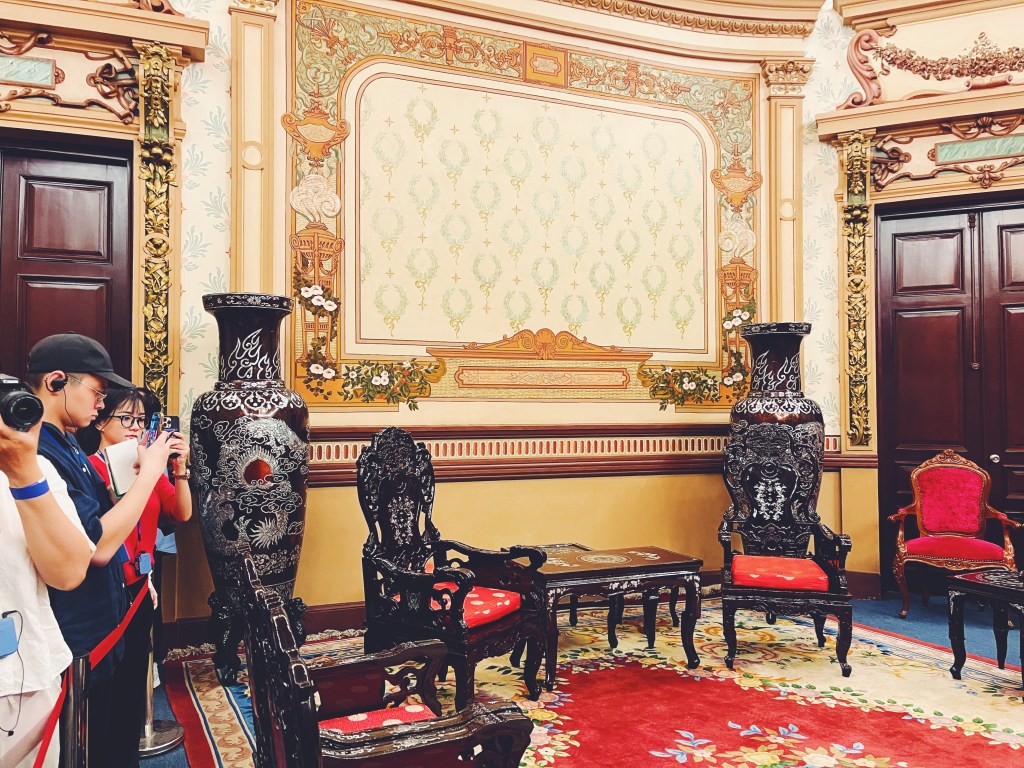
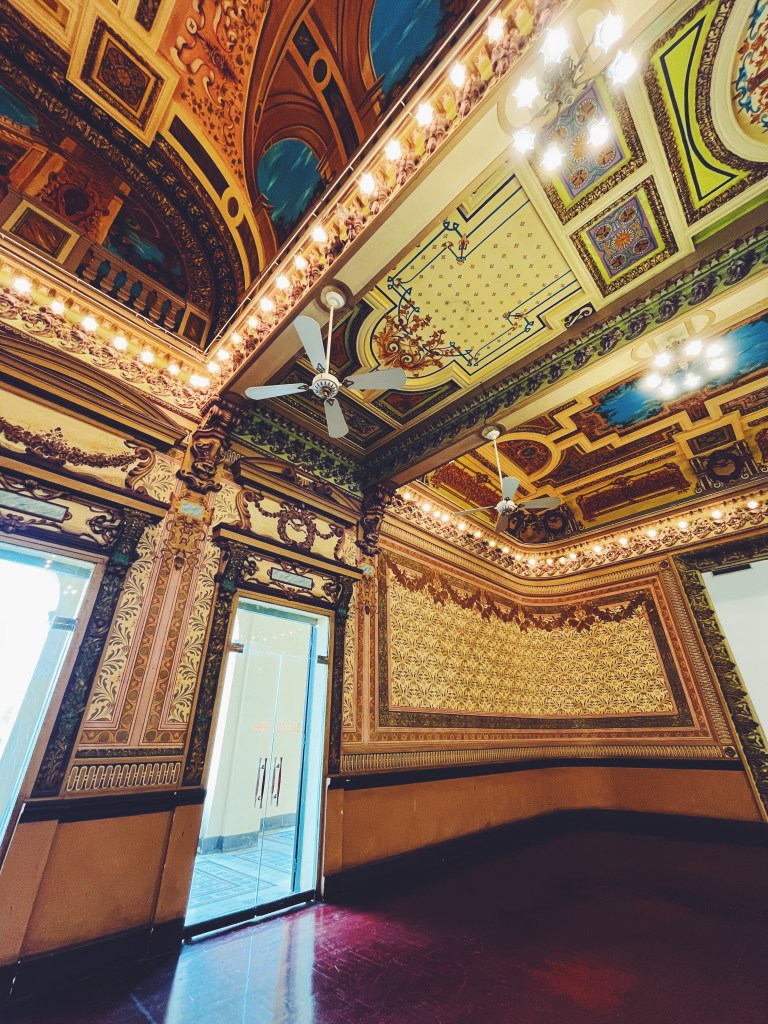
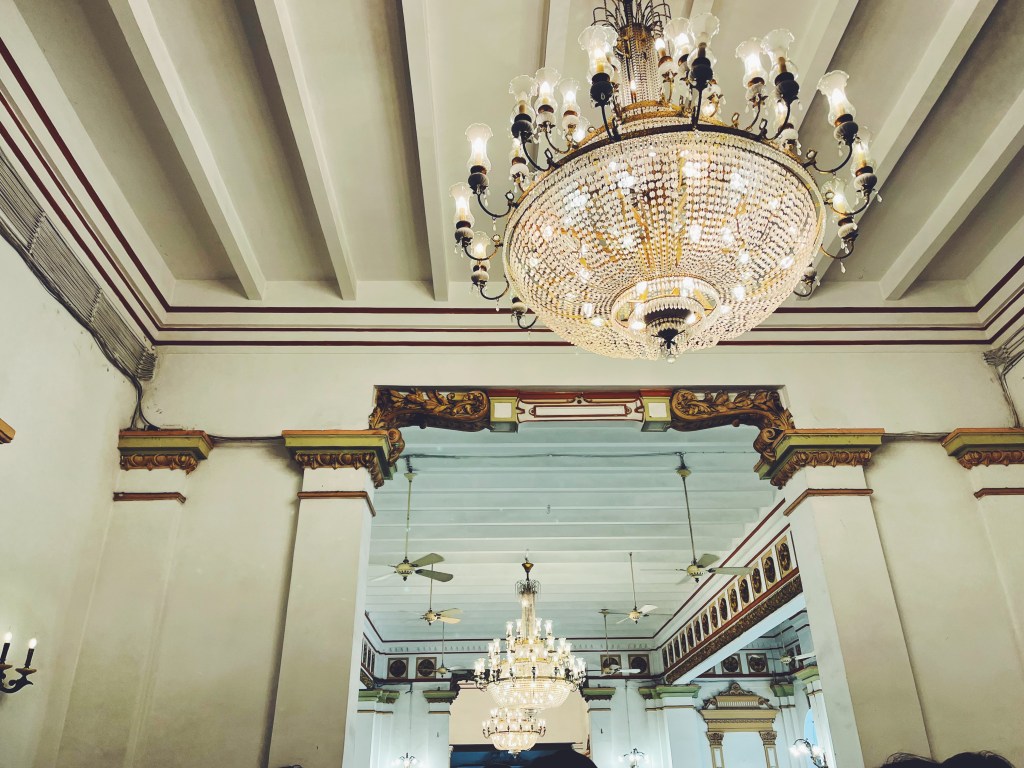
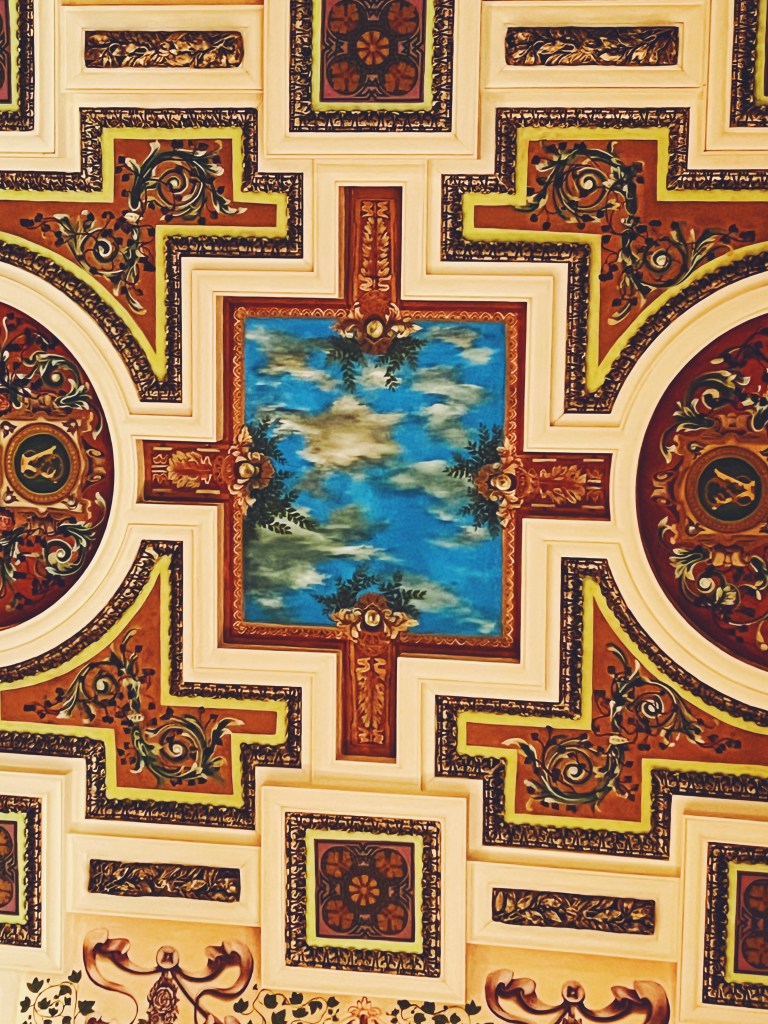
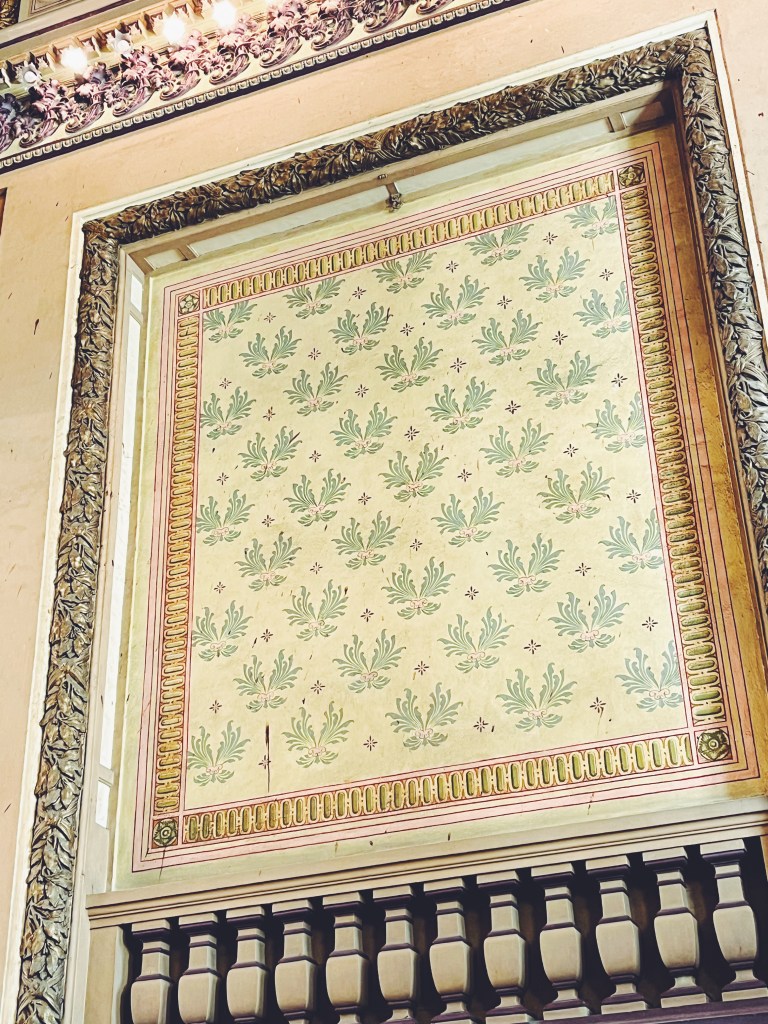
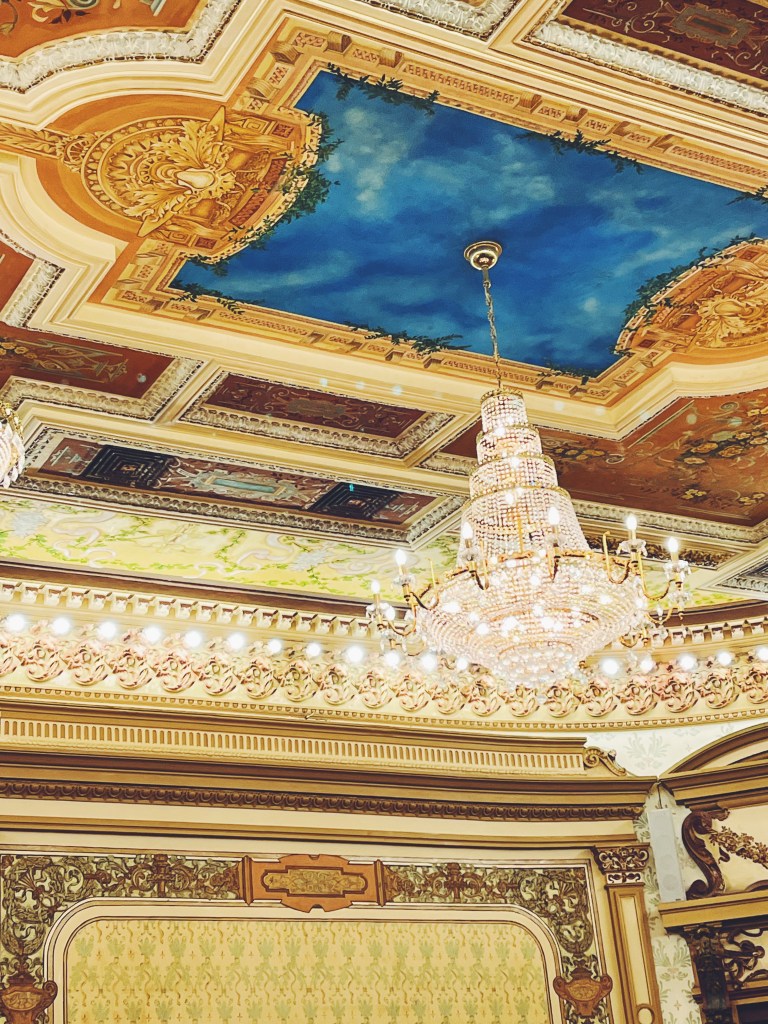
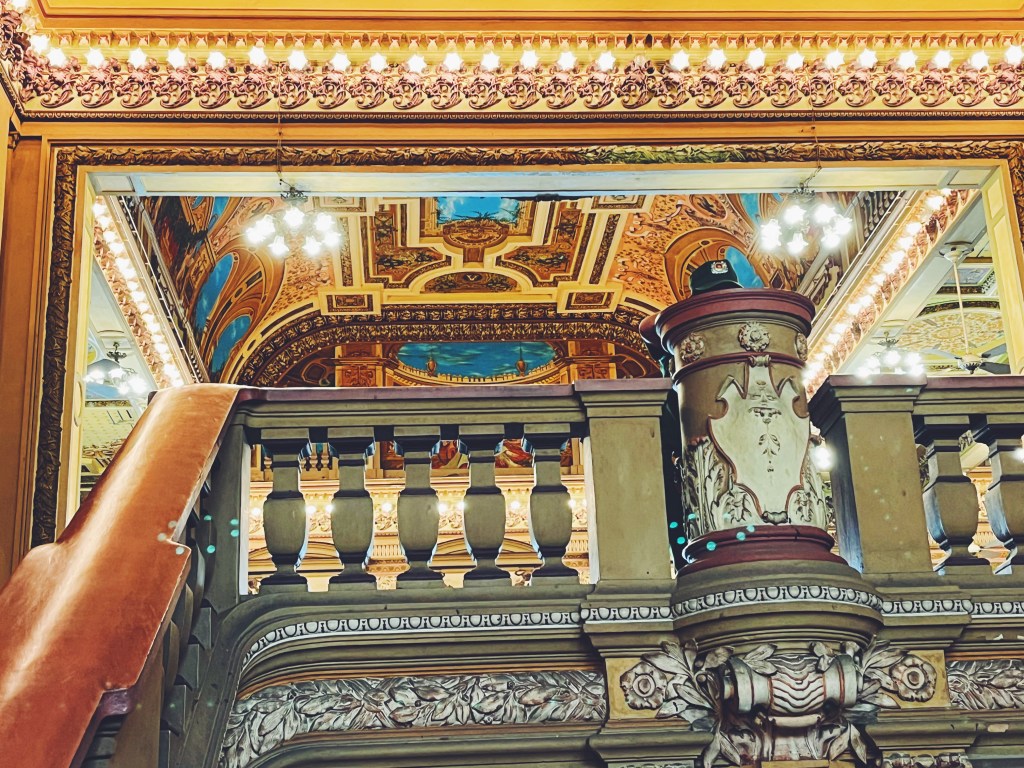
While access to the interior is restricted, historical records and photographs reveal lavish Baroque-style ceilings, pastel-toned frescoes, and intricately wrought-iron stair railings — each crafted with painstaking detail. The hallways feature symbolic carvings: doves of peace, laurel leaves of triumph, and geometrical harmony — all reflecting order and legacy.
Mural paintings inside key meeting rooms depict scenes of old Saigon, from bustling markets to serene rice fields — a visual journey from colonial past to modern vitality.
A Balcony to the City
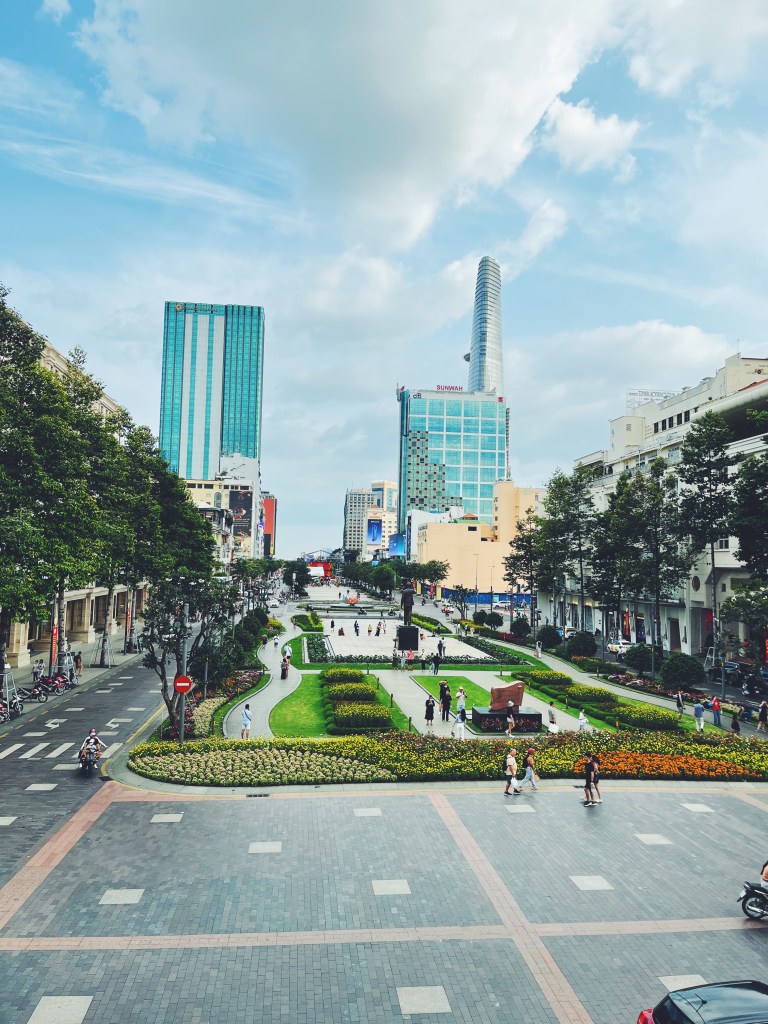
The highlight of the tour? Stepping onto the historic balcony overlooking Nguyen Hue Boulevard, where the city’s vibrant pulse beats below. In that moment, watching the flow of life from a place steeped in grandeur, I felt not just like a visitor — but part of the city’s living story.
A Cultural Icon
More than just a government building, Ho Chi Minh City Hall is a symbol of heritage, artistry, and identity. It bridges East and West, past and present — a timeless monument nestled amid a modern skyline.
For locals, it’s a source of pride. For visitors, it’s a must-see landmark. And for anyone who stands before its graceful silhouette, it’s a reminder that true beauty stands the test of time.
 Tom's Notes
Leave a comment