
If you’ve ever seen a Vietnamese woman walking in an Ao Dai, you know it’s more than just clothing. It’s poetry in motion. But behind the elegance lies a rich history and a deeply rooted cultural identity.
The Origins of an Icon
The Ao Dai as we know it today began its journey in the 18th century. Throughout history, it has constantly evolved — adapting to the aesthetics of each era while preserving its cultural essence.
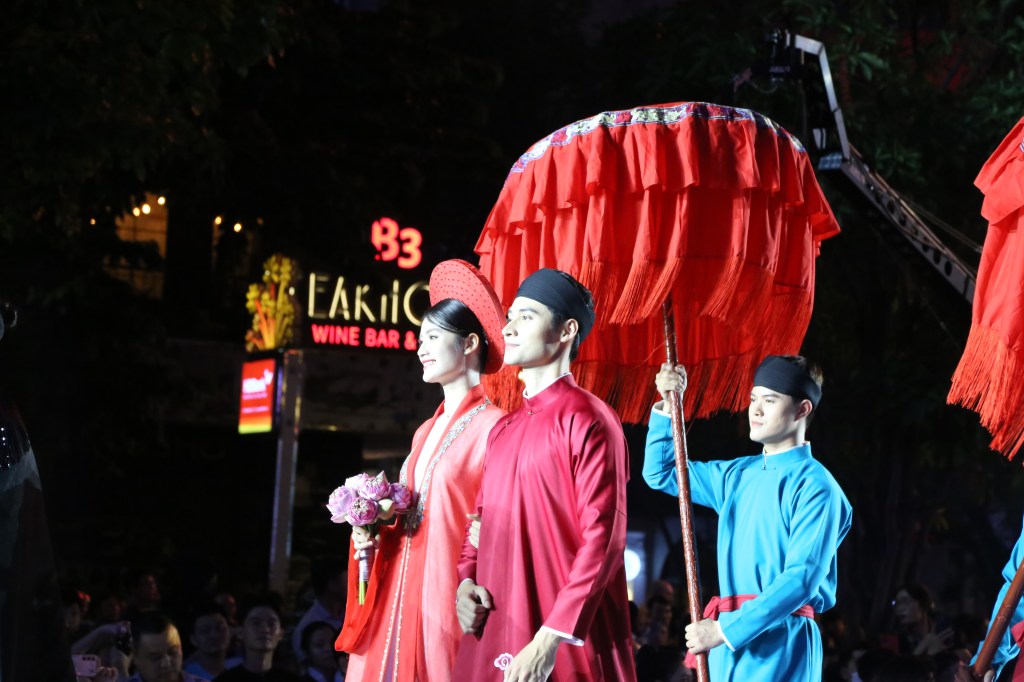
A Timeline of Grace:
- 18th–19th centuries: Tu Than and Ngu Than styles were worn in royal courts.
- 1930s: Le Mur Ao Dai, designed by artist Cát Tường, introduced Western-influenced modern tailoring.
- 1950s: Designer Trần Kim shaped a tighter waist silhouette to enhance the feminine form.
- 1960s–70s: Boat-neck and Raglan-sleeve Ao Dai became more practical for everyday wear.
- 1990s: A revival era brought the Ao Dai back to public events and ceremonies.
- 21st century: Today’s Ao Dai reflects global fashion trends while embracing Vietnamese soul through fabric, motif, and form.
The Spiritual Fabric of Ao Dai
Every seam, every fold, every embroidered flower carries a story. The Ao Dai is not just a national dress — it’s an emotional expression of:
- Femininity: Graceful, gentle, yet proud and strong.
- Cultural Identity: A visual symbol of Vietnamese values and history.
- Continuity: A bridge between generations and evolving aesthetics.
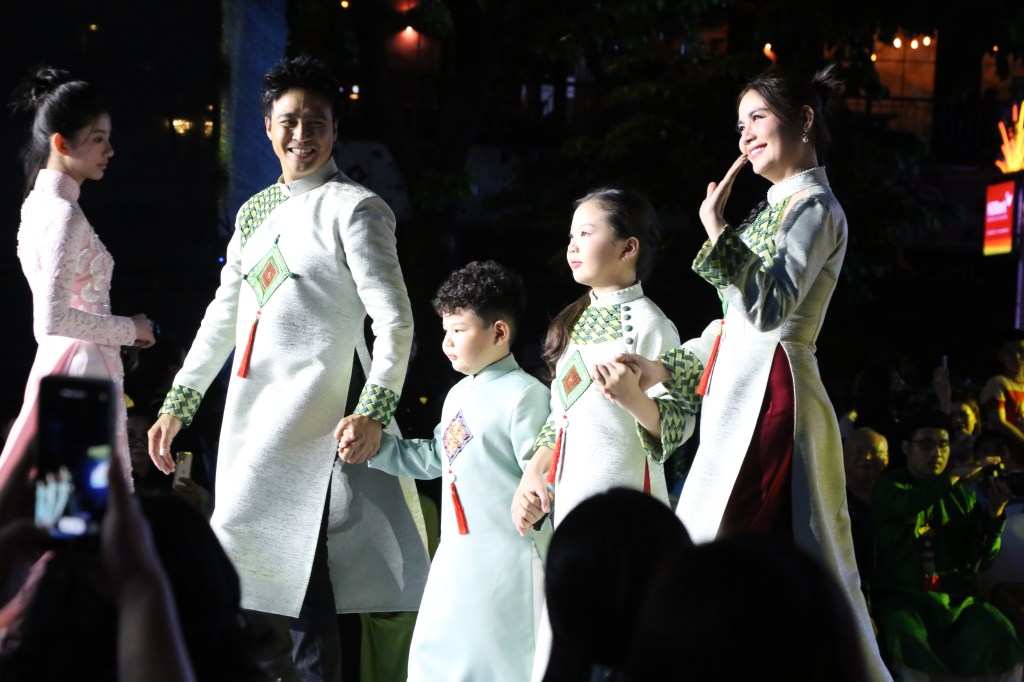
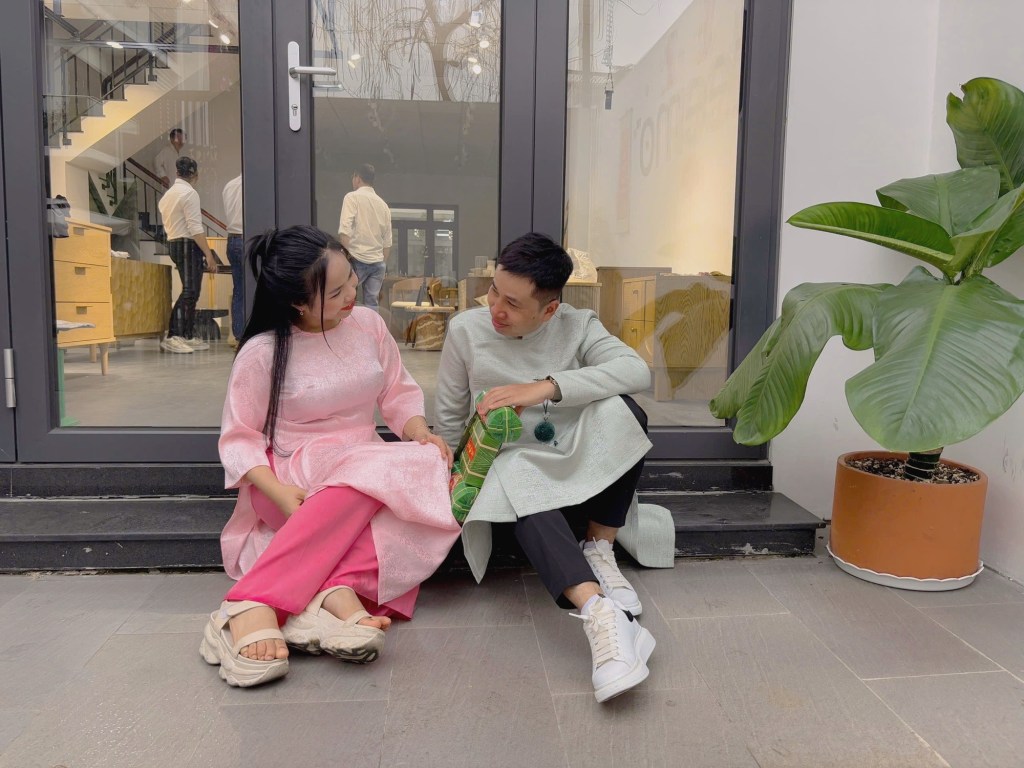
The Unique Beauty of the Ao Dai
What makes the Ao Dai so iconic?
- Form-fitting yet modest: It enhances the wearer’s figure while remaining elegant.
- Material & Craftsmanship: Silk, brocade, velvet — often hand-embroidered with traditional motifs like cranes, bamboo, lotus, and ancient patterns.
- Timeless Versatility: From schoolgirls in white Ao Dai to queens in velvet, the dress transcends age and class.
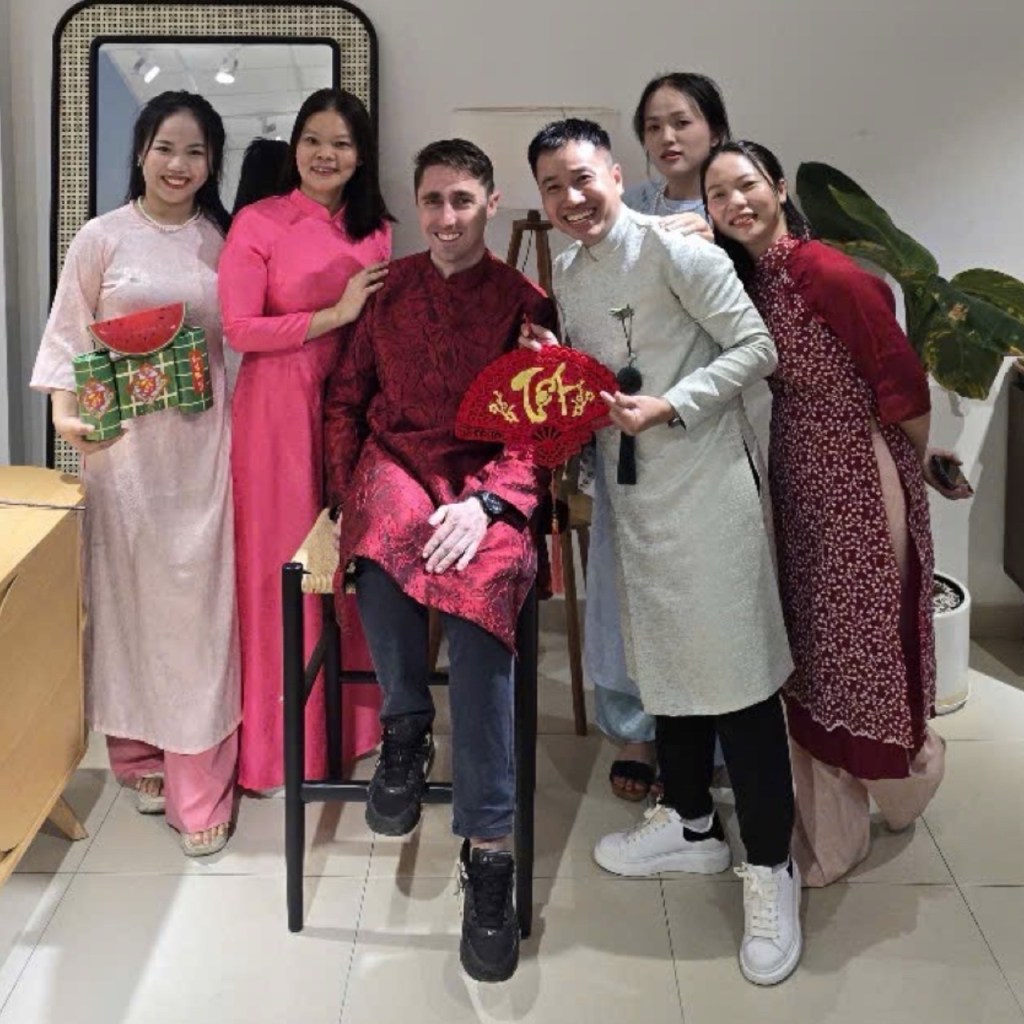
A Living Symbol
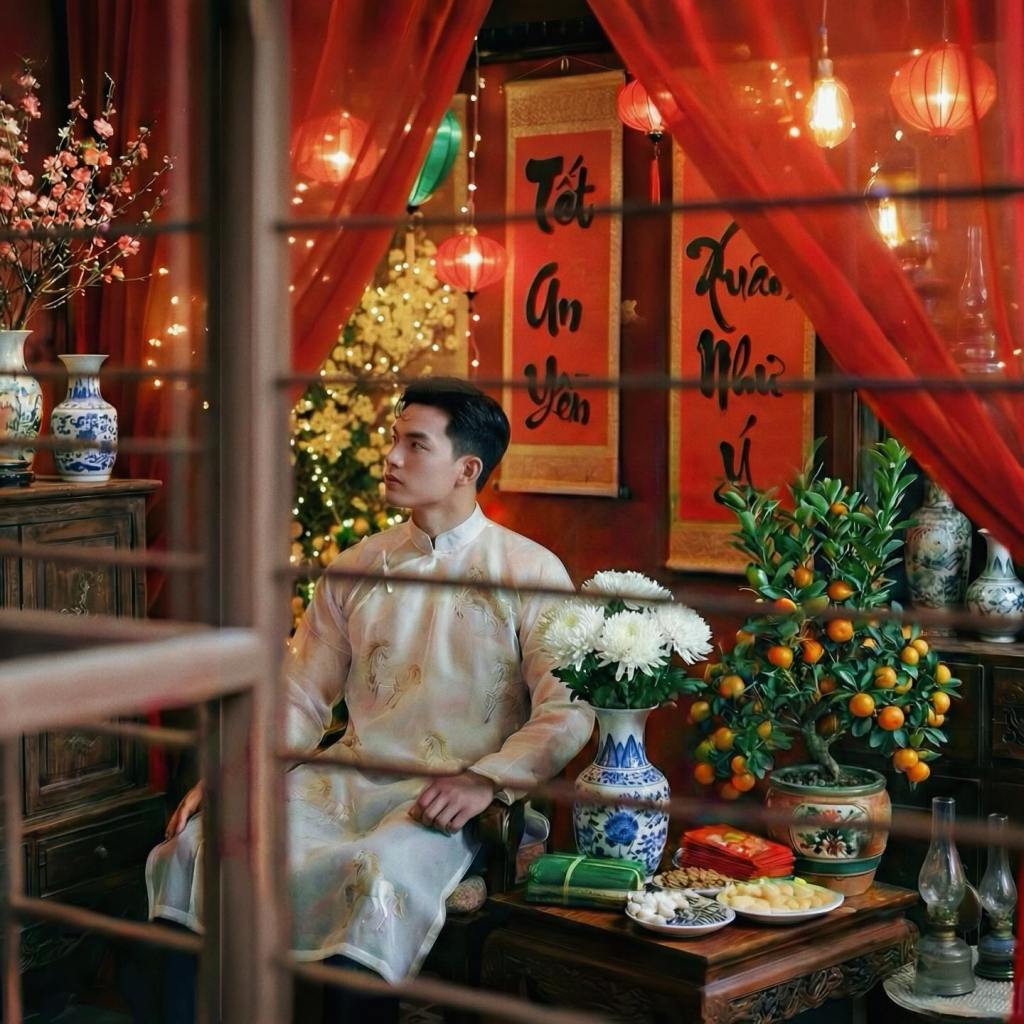
In today’s world, where trends come and go, the Ao Dai continues to evolve without ever losing its heart. It is worn with pride — in weddings, festivals, art shows, and everyday life. And with every step, it whispers stories of a resilient culture, a proud people, and an undying elegance.
AoDaiVietnam #VietnameseHeritage #TraditionalStyle #AoDaiHistory #CulturalFashion #SoulOfVietnam
 Tom's Notes
Leave a comment