
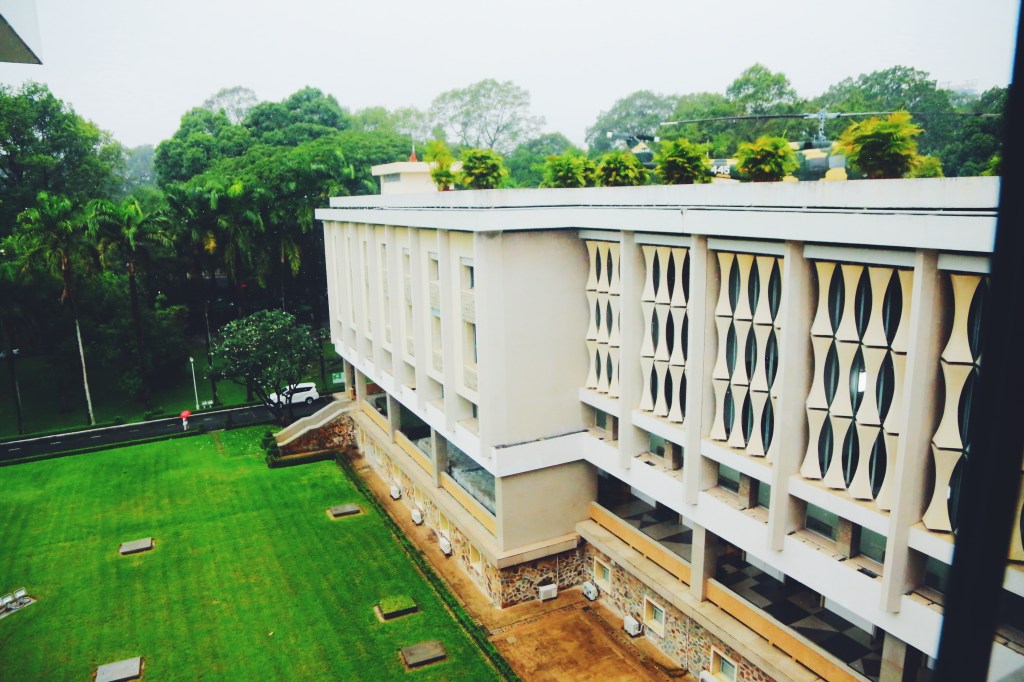
In the very heart of bustling Saigon, where motorbikes weave like silver fish through endless tides of traffic, there stands a building that feels almost untouched by time — the Independence Palace. A masterpiece of mid-century modern architecture, it is not just a place; it is a living memory of Vietnam’s most poignant historical moments. And woven into its walls and gardens is the legacy of President Nguyễn Văn Thiệu, a man whose personal style of leadership was as much about elegance and leisure as it was about politics and power.
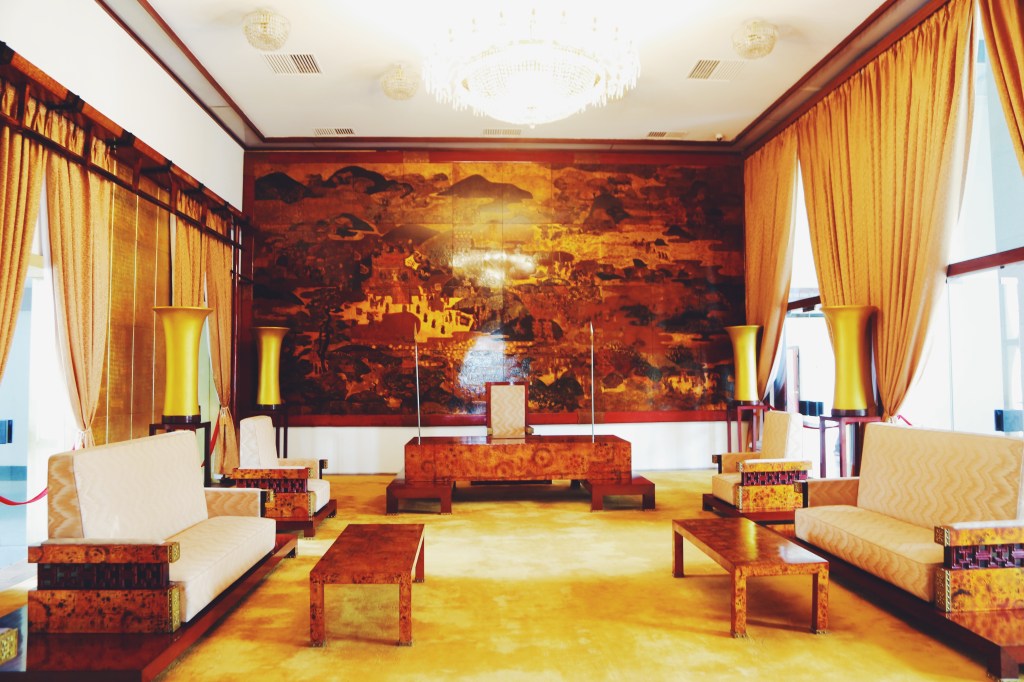
As you step through the wide, open gates of the Palace, it feels like crossing into a different dimension — where time slows down, the air is cooler, and history hums softly in every polished floor tile and grand hallway.
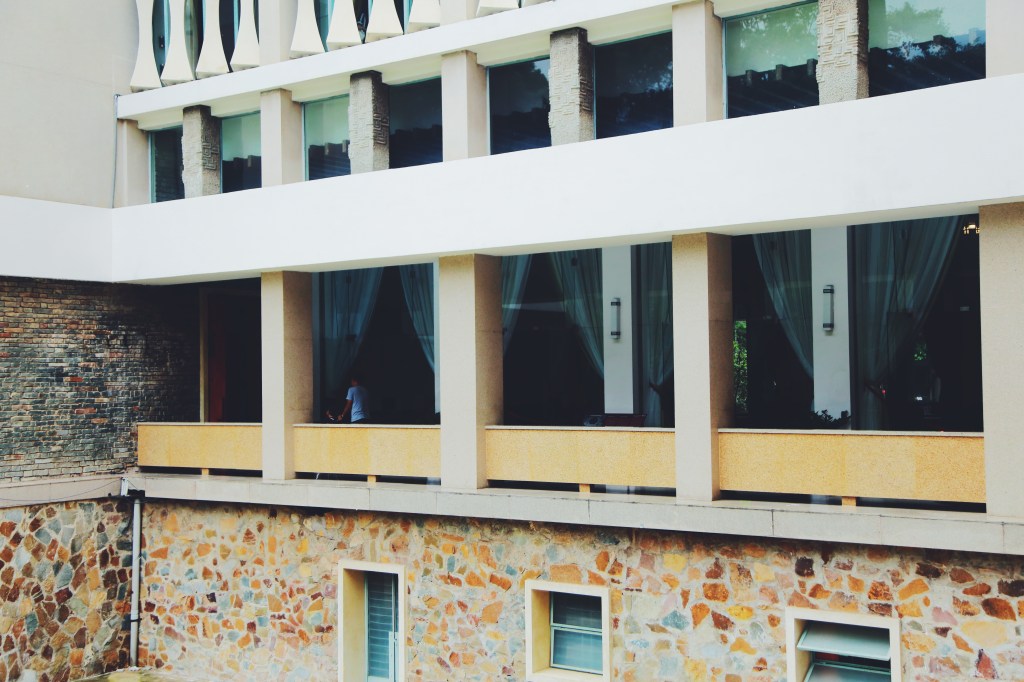
Designed by the renowned Vietnamese architect Ngô Viết Thụ, the building is a rare fusion of Asian symbolism and modernist aesthetics. The broad, horizontal lines; the floating staircases; the cool, symmetrical gardens — all speak of a vision that was both contemporary and deeply rooted in Vietnamese traditions. In every corridor and reception room, the architecture seems to whisper an unspoken message: dignity, resilience, and refined simplicity.
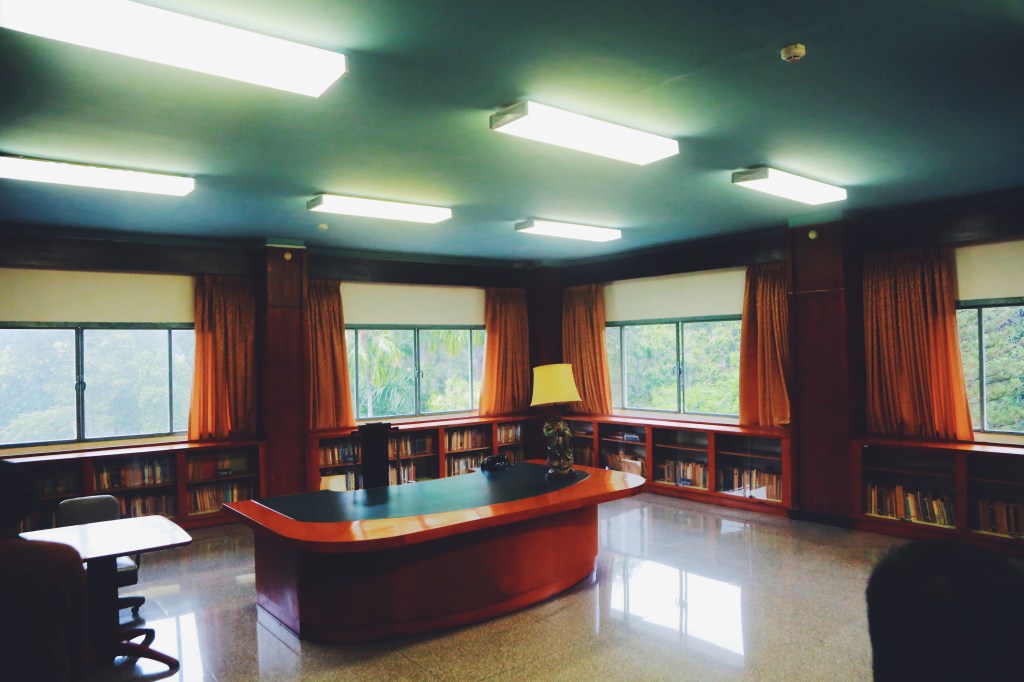
It was within these serene walls that President Nguyễn Văn Thiệu lived and worked during a time of turbulence. Yet despite the political storms outside, Thiệu crafted for himself a life of remarkable grace within the Palace. His lifestyle embodied a philosophy of “hưởng thụ” — a Vietnamese term that loosely translates to a mindful enjoyment of life’s pleasures.
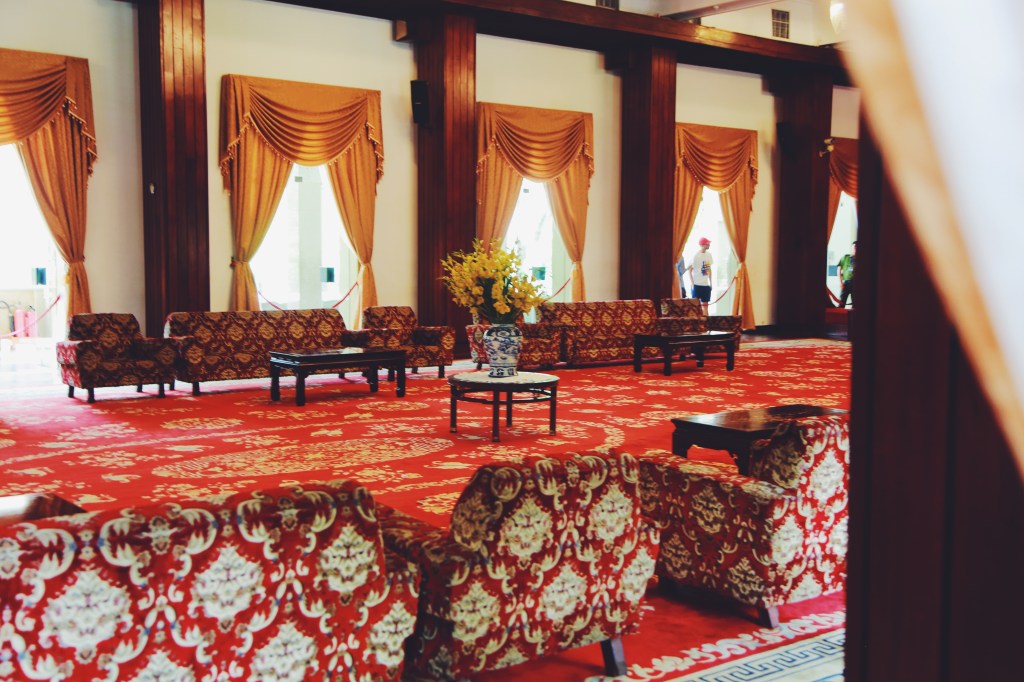

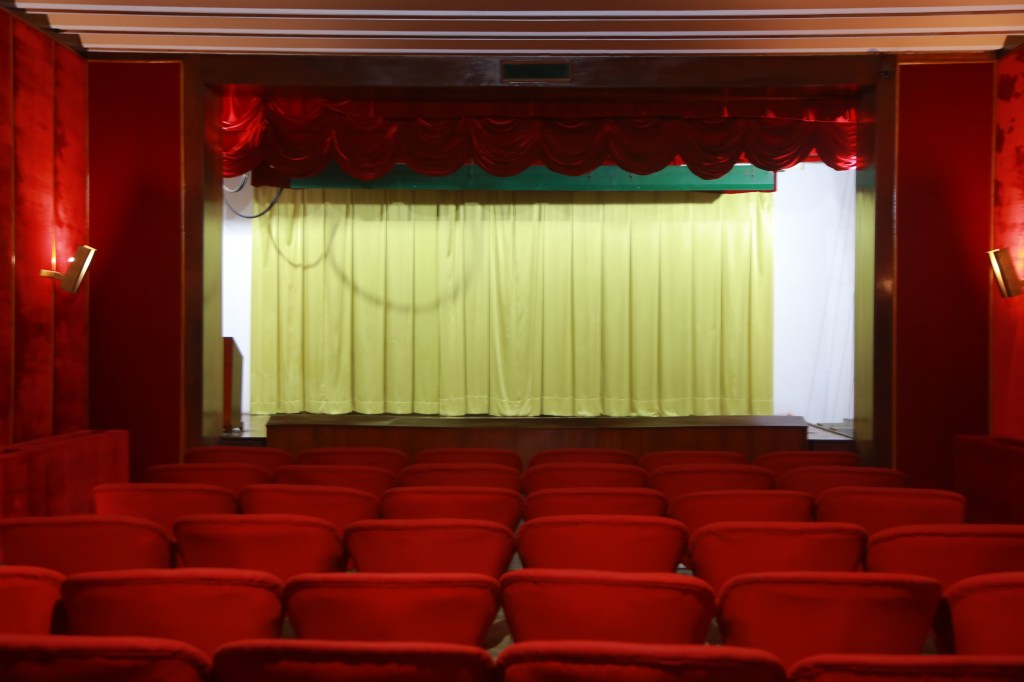
Elegant evening receptions flowed with French wines and the sound of soft jazz. In quieter moments, Thiệu was known to retreat to the rooftop lounge, a private oasis with sweeping views over Saigon’s tree-lined boulevards. He was a president who understood that to lead a nation under fire, one must first master the art of inner peace — and perhaps, a well-brewed cup of coffee or a slow, thoughtful walk through the Palace’s manicured gardens.
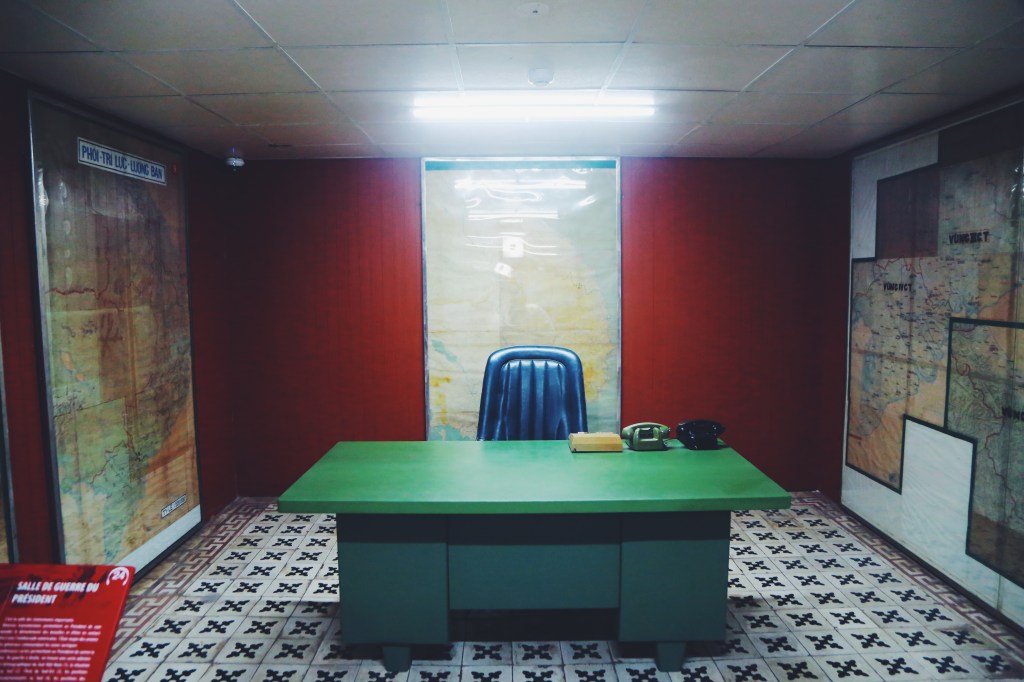
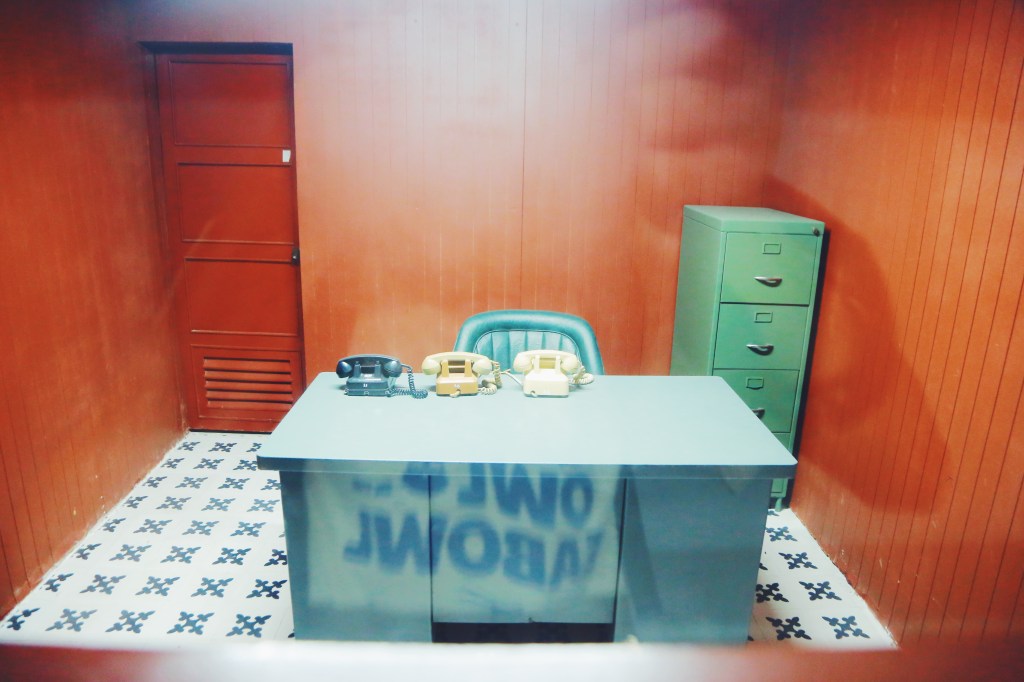
Walking through the war rooms today, with their 1960s communications equipment still eerily intact, it’s impossible not to feel the immense weight of decisions made here — decisions that shaped the destiny of millions. Yet in the personal quarters, the energy shifts. Here, velvet armchairs, carved wooden screens, and light streaming through patterned concrete walls tell stories of a leader who, despite everything, clung fiercely to moments of beauty, normalcy, and humanity.
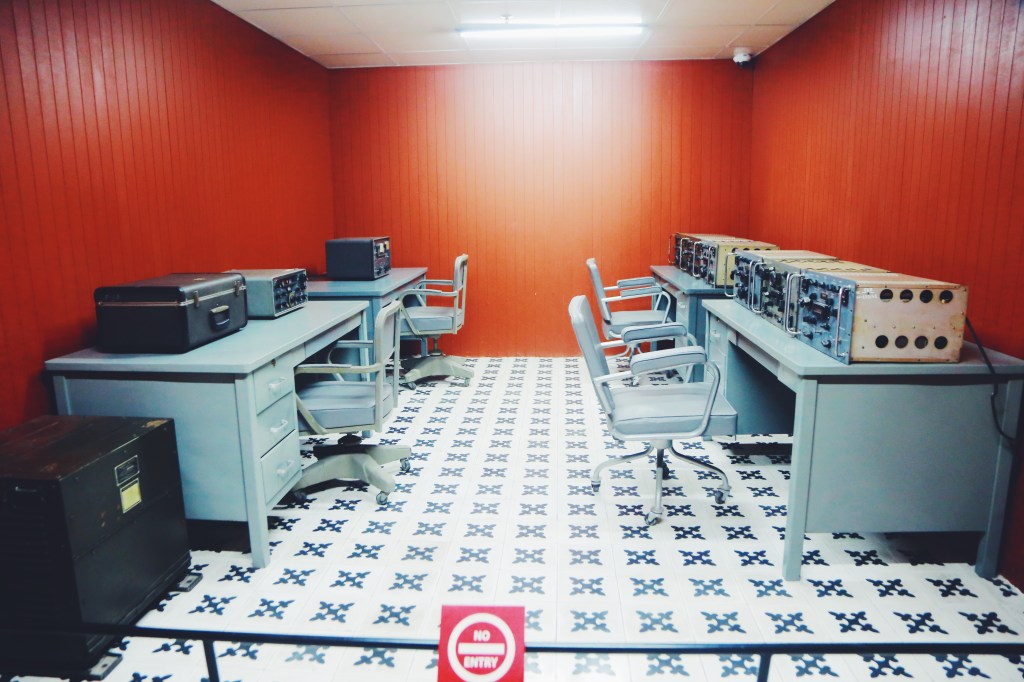
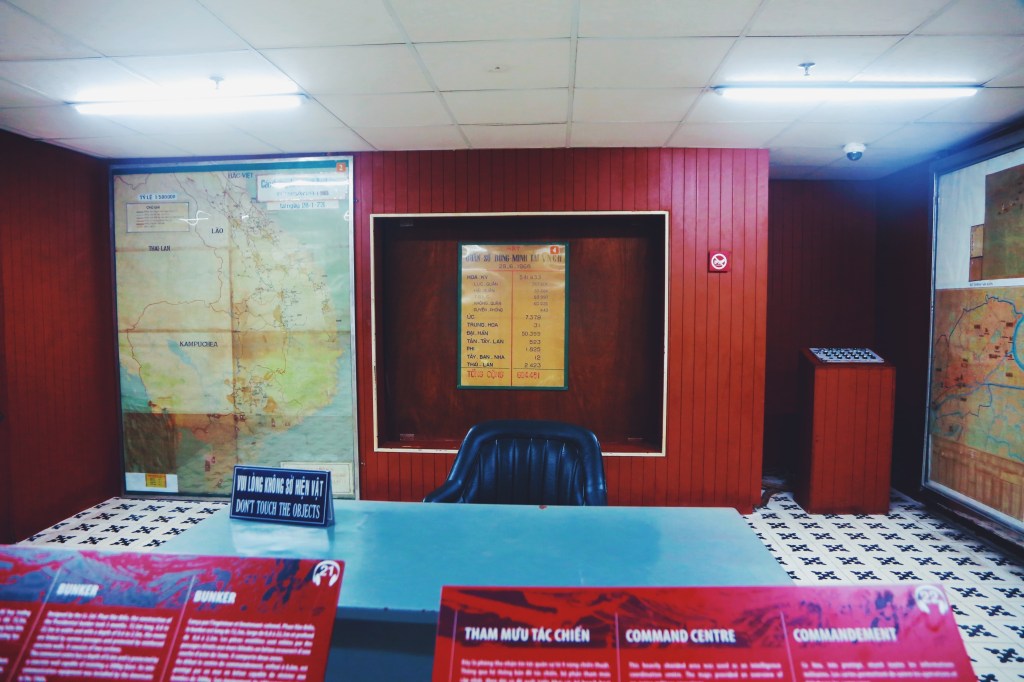
The fall of Saigon on April 30, 1975, saw tanks crash through the Palace gates, marking an end and a beginning. Today, Independence Palace stands not just as a monument to conflict, but as a testament to resilience, reconciliation, and the enduring Vietnamese spirit.
For modern travelers, a visit to Independence Palace is a journey into Vietnam’s complex soul — where past and future, sorrow and hope, grandeur and humility exist side by side. It’s a reminder that history is not merely written in battles and treaties, but also in the quiet ways a leader chooses to live, to savor, and to dream amid the storms.
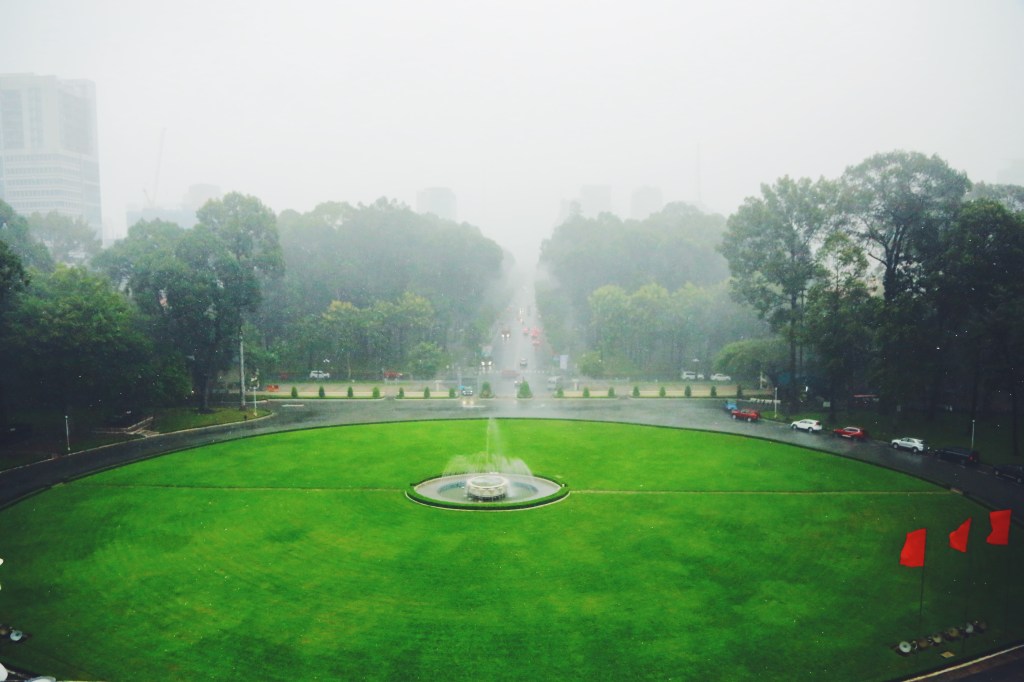
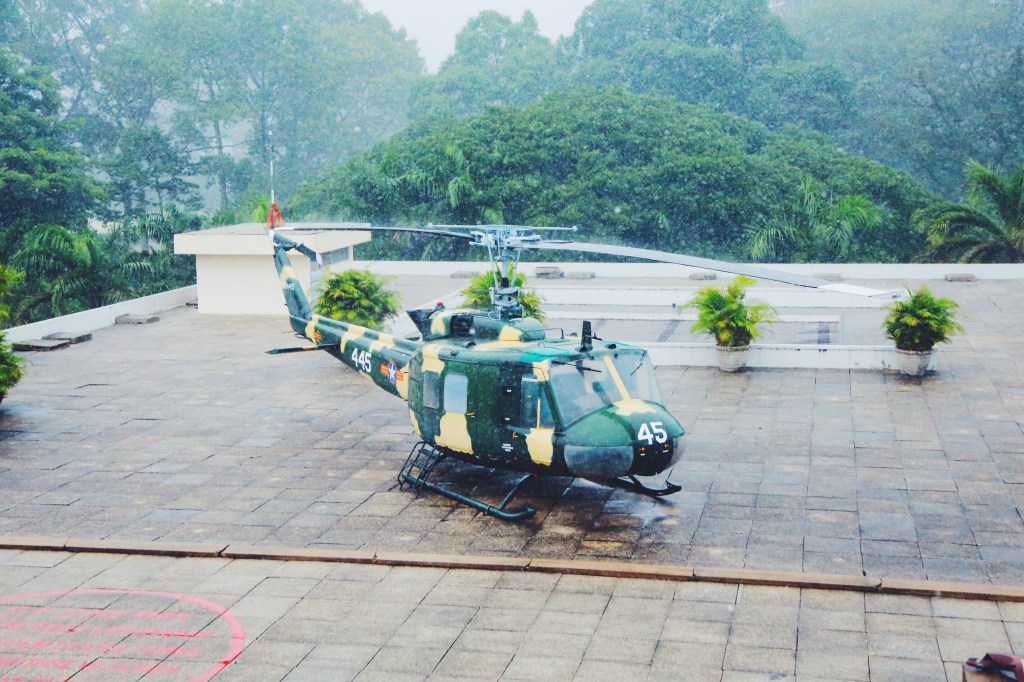
When you walk out again into the golden Saigon sunlight, you may find yourself looking at life a little differently — with a deeper appreciation for beauty, for peace, and for the fleeting but precious moments that define a lifetime.
IndependencePalace #DinhDocLap #SaigonHistory #HoChiMinhCity #VietnamTravel #SaigonLandmarks #HistoricVietnam #VietnamWarHistory #NguyenVanThieu #SaigonTravelBlog #ExploreVietnam #CulturalVietnam #TravelVietnam #VietnamHeritage #MidCenturyModern
 Tom's Notes
Leave a comment