
By Tom | Tominotes.com
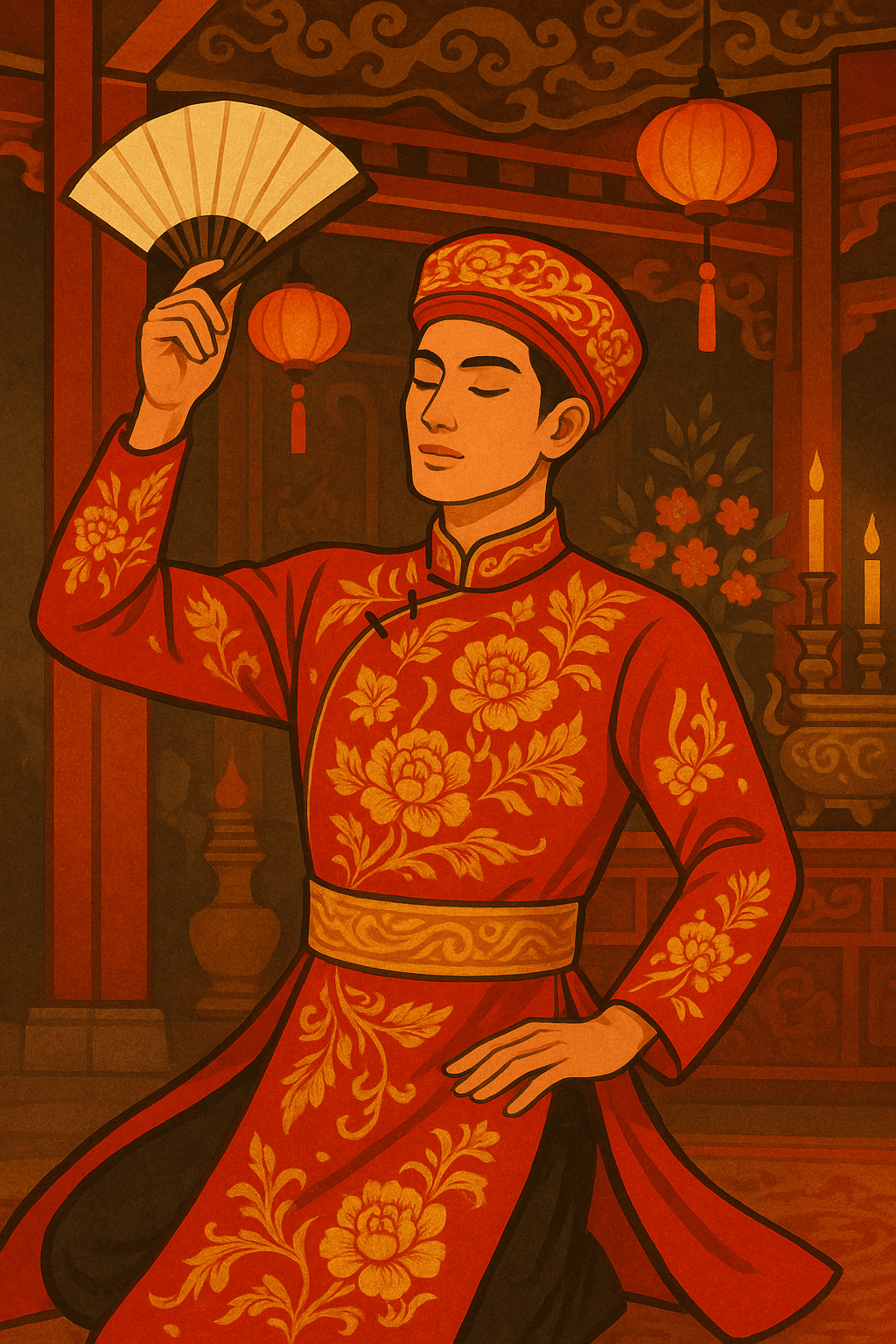
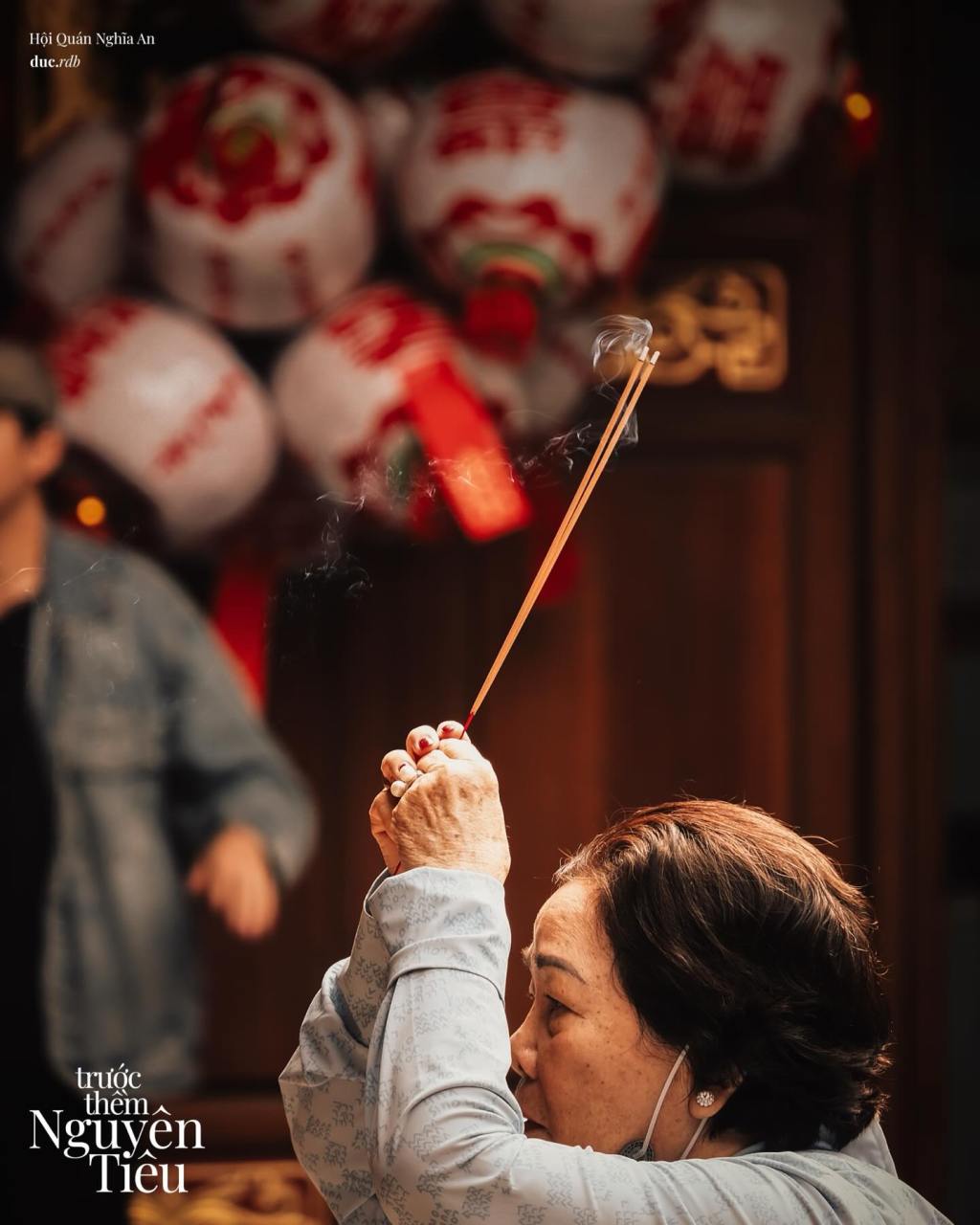
In Vietnam, if you step into a small temple tucked behind the noise of modern streets, you might hear the rhythmic sounds of music, smell the faint aroma of incense, and see vibrant silk costumes dancing under candlelight. What you are witnessing is not just a ritual — it is a living dialogue between the sacred and the everyday, known as Mother Goddess Worship (Tín ngưỡng thờ Mẫu).
This is not just another belief system. It’s a soul map of Vietnamese people, especially women. Recognized by UNESCO in 2016 as an Intangible Cultural Heritage of Humanity, the worship of the Mother Goddess is still often misunderstood, even in Vietnam.
Let me take you on a journey — not just to explain it, but to feel its heartbeat.
What Is Mother Goddess Worship?
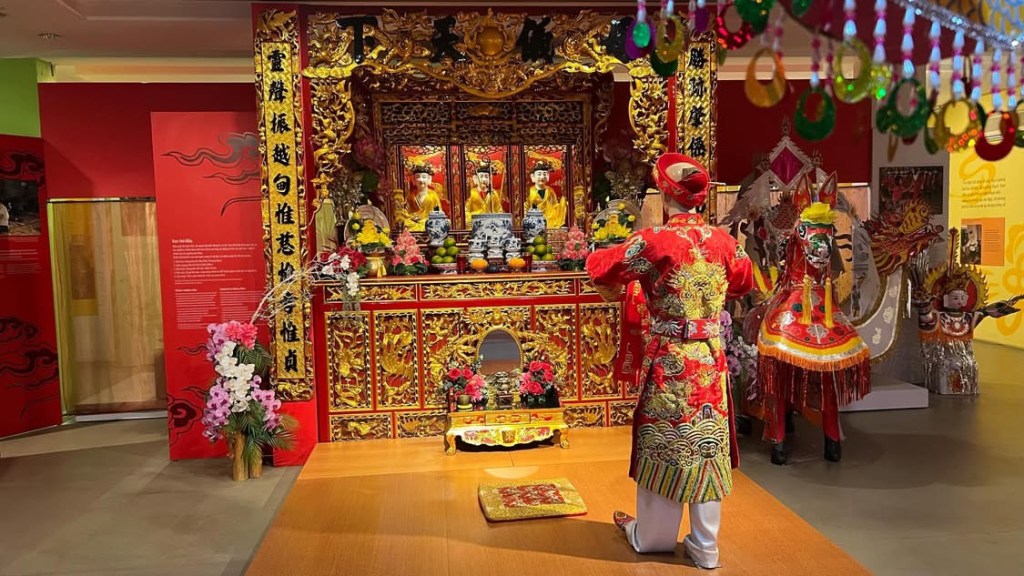
At its core, Mother Goddess Worship is a spiritual practice that honors female deities representing Nature, Fertility, and Human Strength. The belief is centered around the Four Palaces (Tứ Phủ):
- Heaven (Thiên phủ)
- Earth (Địa phủ)
- Water (Thoải phủ)
- Forests and Mountains (Nhạc phủ)
Each realm is ruled by a female spirit, led by the supreme Mẫu Thượng Thiên (Mother of Heaven). These deities are not distant gods. They are mothers, heroines, and guardians — deeply connected to the daily lives of people.
The Ritual: Where Life and Spirit Meet
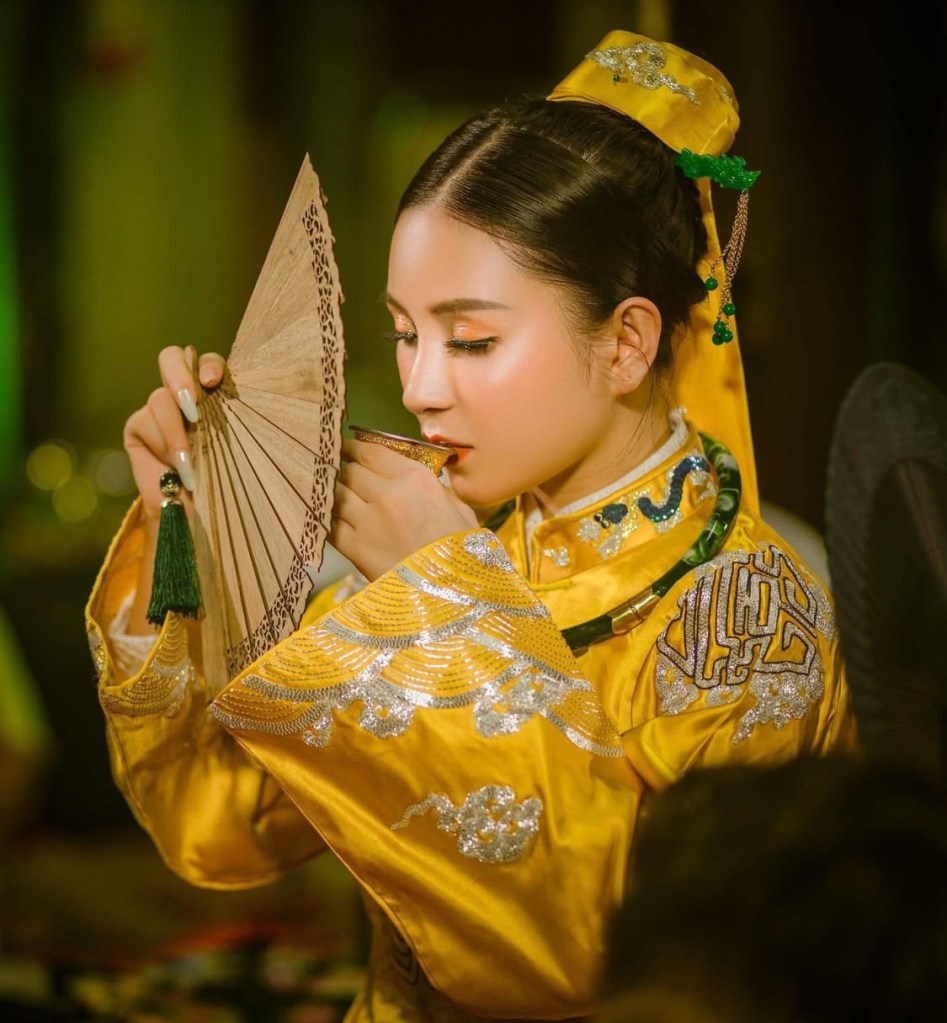
One of the most captivating elements of Mother Goddess Worship is Hầu đồng — a ritual of spirit mediumship. During this ceremony, the medium (usually a woman, though not exclusively) is believed to be possessed by different spirits, taking on their personalities, costumes, and even dialects.
Unlike other forms of possession in world religions, Hầu đồng is theatrical, artistic, and healing. There is singing, dancing, poetry, and even interaction with the audience. But behind this vibrant performance lies something deeper — a request for health, success, or protection from the Mother Spirits.
Hidden gem: What most people don’t know is that Hầu đồng was once banned in the mid-20th century, labeled as superstitious. It was kept alive quietly in rural areas by devoted practitioners — often older women — who used coded language and hidden shrines to protect their tradition. Its survival is a story of quiet resistance and cultural resilience.
Why This Worship Still Matters Today
In modern times, with increasing global influence and urbanization, the role of ancient rituals might seem diminished. But for many Vietnamese people, especially women entrepreneurs, artists, and farmers, the worship of Mẫu offers spiritual balance, identity, and emotional strength.
A medium I spoke to in Nam Định told me:
“I serve Mẫu not because I live in the past, but because She walks with me through today’s chaos. She gives me clarity.”
It’s not a retreat from modernity — it’s a grounding in values like compassion, determination, and community care.
Things You Won’t Read in Guidebooks
Here are a few lesser-known insights about Mother Goddess Worship that you won’t find in most travel blogs:
- Colors Are Codes: The color of each costume in Hầu đồng represents the Four Palaces — Red (Heaven), Yellow (Earth), White (Water), and Green (Mountains). These aren’t just aesthetics, but symbolic invocations of natural power.
- Musicians Are Guardians of Oral Tradition: The singers (known as cung văn) are living archives of Vietnamese folk poetry. Their lyrics are often improvised, containing historical references, local legends, and moral teachings.
- It’s Not Just for the Religious: Many young Vietnamese artists and designers have turned to Mẫu as a source of inspiration — from fashion to contemporary art — blending tradition with modern creativity.
- There’s No Official “Bible”: Unlike many major religions, there’s no single sacred book. Instead, the worship is passed down through practice, music, storytelling, and communal memory — which makes every region’s style of worship slightly different.

Final Thoughts: A Bridge, Not a Wall
The Mother Goddess is not just a figure in the clouds. She is a symbol of Vietnamese resilience, femininity, and harmony with nature. Her worship blends ritual and reality, spirit and survival.
As I continue my journey exploring Vietnam’s cultural roots, I’ve come to believe this:
The worship of Mẫu is not about looking back. It’s about walking forward — with soul.
If you ever come to Vietnam, I invite you to look beyond the pagodas and museums. Visit a small temple. Listen to the drums. Watch the colors dance. And maybe, just maybe, you’ll feel the warmth of a spiritual mother who still watches over her people — in silence and in song.
ThờMẫu #VănHóaViệt #VietnamSpirituality #Tominotes #VietnamCulture #MotherGoddessWorship #VietnameseSpirituality #UNESCOHeritage #SacredVietnam #CulturalJourney #LivingHeritage #DaoMau #IntangibleHeritage #SpiritualTraditions #HiddenVietnam #TomisNotes #VietnameseCultureUnveiled #SacredAndEveryday
 Tom's Notes
Leave a comment