
Thứ Hai, ngày 09/02/2026 (22 tháng Chạp).
Sáng mai là 23 tháng Chạp. Với những đứa trẻ lớn lên từ rơm rạ và khói bếp như Tom, đây mới chính thức là lúc Tết gõ cửa. Đó là “cái lễ” mở màn cho chuỗi ngày rộn ràng nhất trong năm.
Sáng nay, ký ức dẫn Tom về lại căn bếp cũ của Má. Trời tờ mờ sáng, Má đã dậy đồ chè, nấu xôi. Mùi nếp mới thơm lừng quyện với mùi đường thốt nốt ngọt lịm – cái mùi hương báo hiệu sự “ngọt ngào” mà gia đình mong cầu cho năm mới.
Ba ông Táo đất nung và nghi thức “Thay áo” cho bếp
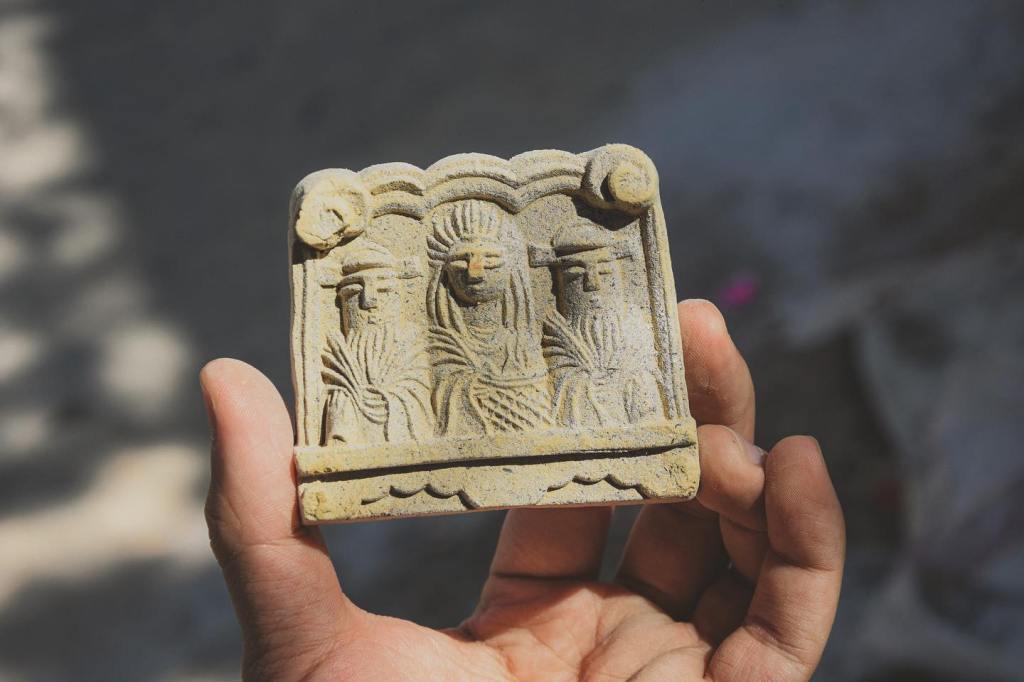
Ngày xưa không có bếp gas, bếp từ bóng loáng như bây giờ. Bếp ngày xưa là Bếp Cà Ràng, nơi ngự trị của 3 ông Táo bằng đất sét nung đỏ au. Sau một năm dãi dầu lửa khói, 3 ông Táo cũ đã lấm lem bụi than, đen nhẻm. Sáng 23, Má cẩn thận hạ 3 ông xuống, đưa ra gốc cây sau vườn nghỉ ngơi (người xưa gọi là đưa ông về đất). Rồi Má kính cẩn đặt lên bệ bếp 3 ông Táo mới tinh, màu gốm đỏ rực rỡ, mắt sáng long lanh. Hành động thay tượng đó thiêng liêng lắm. Nó là lời gửi gắm của Má: “Năm cũ cái gì đen đủi, lấm lem thì bỏ lại. Năm mới bếp núc phải sáng choang, ấm áp, thì nhà mình mới thuận hòa, no đủ.”
Bếp có ấm, Nhà mới An
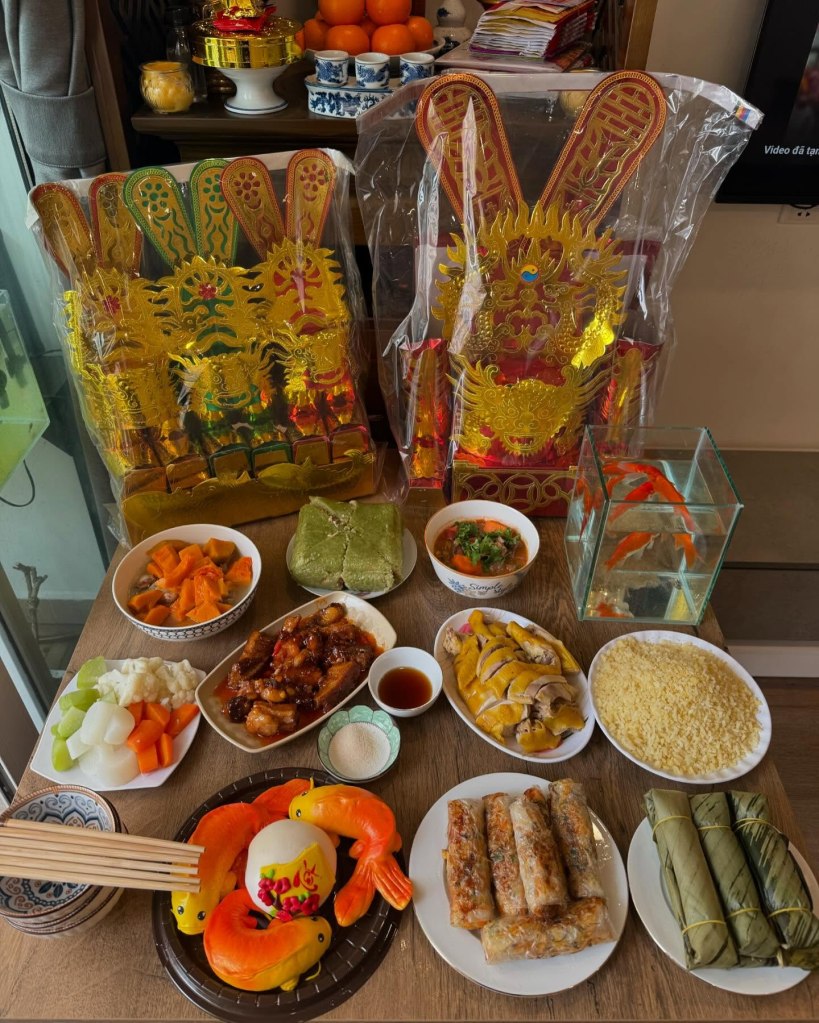
Người xưa tin rằng Táo Quân là người “giữ lửa”. Lửa tắt là nhà lạnh. Nhà lạnh là tình phai. Chính vì thế, lễ cúng đưa Ông Táo không cần mâm cao cỗ đầy sơn hào hải vị. Chỉ cần đĩa xôi, chén chè trôi nước (để các ông về trời cho trôi chảy, ngọt ngào). Nhưng quan trọng nhất là cái tâm thế của người đứng bếp. Đứng trước bàn thờ Táo Quân, không phải để xin tiền tài danh vọng. Mà là để xin sự “Thuận Hòa”. Cơm lành, canh ngọt. Chồng chan, vợ húp. Đó là cái phúc phận lớn nhất mà ngọn lửa bếp mang lại.
Táo Quân thời @ và câu hỏi cho người trẻ
Trở lại Sài Gòn 2026. Bếp bây giờ hiện đại quá. Không còn tro trấu, không còn tượng đất sét, cũng chẳng thấy ai cúng xôi chè vào sáng sớm tinh mơ. Ông Táo bây giờ “sạch” hơn, nhưng dường như cũng… “cô đơn” hơn. Những căn bếp tiền tỷ nguội lạnh vì chủ nhân bận chạy KPI, bận tiếp khách, bận sống ảo. Ngày mai tiễn ông Táo, nếu không có thời gian nấu chè nấu xôi như Má ngày xưa, thì Tom mong bạn hãy làm một việc đơn giản thôi: Về nhà sớm. Tự tay bật bếp lên hâm nóng lại nồi thịt kho, luộc mớ rau. Để ông Táo thấy rằng: “À, cái nhà này vẫn còn đỏ lửa. Vẫn còn người chờ cơm nhau.”
Tối nay, trước khi ngày 23 ập đến. Hãy nhìn vào căn bếp của bạn. Nếu nó quá lạnh lẽo, hãy thắp lên đó một ngọn lửa (dù chỉ là nấu một ấm nước sôi pha trà). Đừng để ông Táo phải lên chầu Ngọc Hoàng với bản báo cáo về một ngôi nhà đầy đủ tiện nghi nhưng thiếu vắng tình thâm. Tết bắt đầu từ Bếp. Hãy giữ cho nó luôn Ấm.
Sending the Kitchen Gods to Heaven: Replacing Old Clay Statues & Keeping the “Inner” Fire
Monday, February 9th, 2026 (22nd of the 12th Lunar Month).
Tomorrow morning is the 23rd of the 12th Lunar Month. For kids who grew up with straw and kitchen smoke like me, this officially marks the arrival of Tet. It is the opening ceremony for the most bustling days of the year.
This morning, memories led me back to Mom’s old kitchen. At the crack of dawn, Mom was already cooking sweet soup (chè) and sticky rice (xôi). The scent of new glutinous rice blended with sweet palm sugar – the aroma signaling the “sweetness” the family wished for the new year.
The Three Clay Kitchen Gods and the Ritual of “Changing Clothes”
Back then, there were no shiny gas or induction stoves like today. The stove of the past was the Cà Ràng (clay stove), the residence of the 3 Kitchen Gods made of red baked clay. After a year of enduring fire and smoke, the 3 old statues were covered in soot, blackened. On the morning of the 23rd, Mom carefully took them down, placing them by the tree root in the garden to rest (returning them to the earth). Then, she reverently placed 3 brand new statues on the stove pedestal, bright red ceramic, eyes shining. That act of replacing the statues was sacred. It was Mom’s message: “Leave behind whatever was black and sooty from the old year. In the new year, the kitchen must be bright and warm for our family to be harmonious and well-fed.”
A Warm Kitchen Means a Peaceful Home
The ancients believed the Kitchen God is the “Fire Keeper.” Fire out means a cold house. A cold house means fading affection. That’s why the farewell ceremony for the Kitchen God doesn’t need lavish feasts. Just a plate of sticky rice, a bowl of floating rice cake soup (chè trôi nước) – so their journey to heaven is smooth and sweet. But most important is the mindset of the cook. Standing before the Kitchen God’s altar is not to ask for wealth or fame. It is to ask for “Harmony.” Good rice, sweet soup. Husband serves, wife partakes. That is the greatest blessing the kitchen fire brings.
The Kitchen God in the Digital Age
Back to Saigon 2026. Kitchens now are too modern. No more ash, no more clay statues, and hardly anyone cooking sticky rice at dawn anymore. The Kitchen God is “cleaner” now, but seems… “lonelier” too. Billion-dong kitchens sit cold because owners are busy chasing KPIs, busy entertaining clients, busy living virtually. Tomorrow, when sending off the Kitchen God, if you don’t have time to cook sweet soup like Mom used to, I hope you do one simple thing: Come home early. Turn on the stove yourself to warm up the braised meat, boil some vegetables. So the Kitchen God sees: “Ah, this house still lights the fire. People are still waiting for each other for dinner.”Tonight, before the 23rd arrives. Look at your kitchen. If it’s too cold, light a fire (even if it’s just boiling a kettle for tea). Don’t let the Kitchen God go to the Jade Emperor with a report about a house full of amenities but empty of familial love. Tet starts from the Kitchen. Keep it Warm.
 Tom's Notes
Leave a comment