
Chủ Nhật, ngày 15/03/2026.
Trưa Chủ Nhật. Giữa Sài Gòn phồn hoa với hàng ngàn nhà hàng Âu, Á, Nhật, Hàn… Tom lại quyết định chui vào bếp, lôi cái nồi đất cũ kỹ ra. Hôm nay Tom không ăn Steak, không ăn Sushi. Tom ăn Cơm Cháy Kho Quẹt. Nhiều người nghĩ: “Trời, món nhà nghèo mà!”. Đúng, ngày xưa nghèo mới ăn kho quẹt. Nhưng ngày nay, để có một mâm rau luộc chấm kho quẹt “đúng điệu”, đó là cả một sự xa xỉ về Thời Gian và Cảm Xúc.
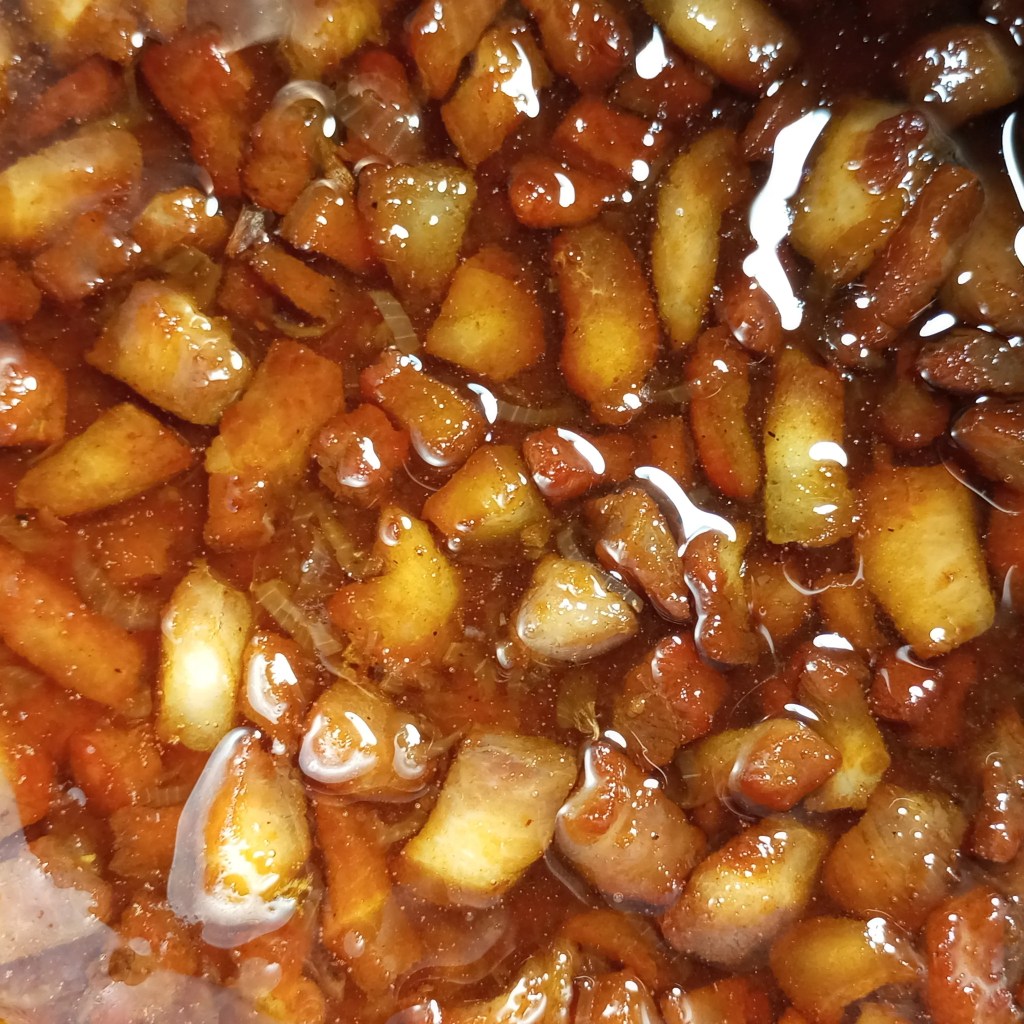
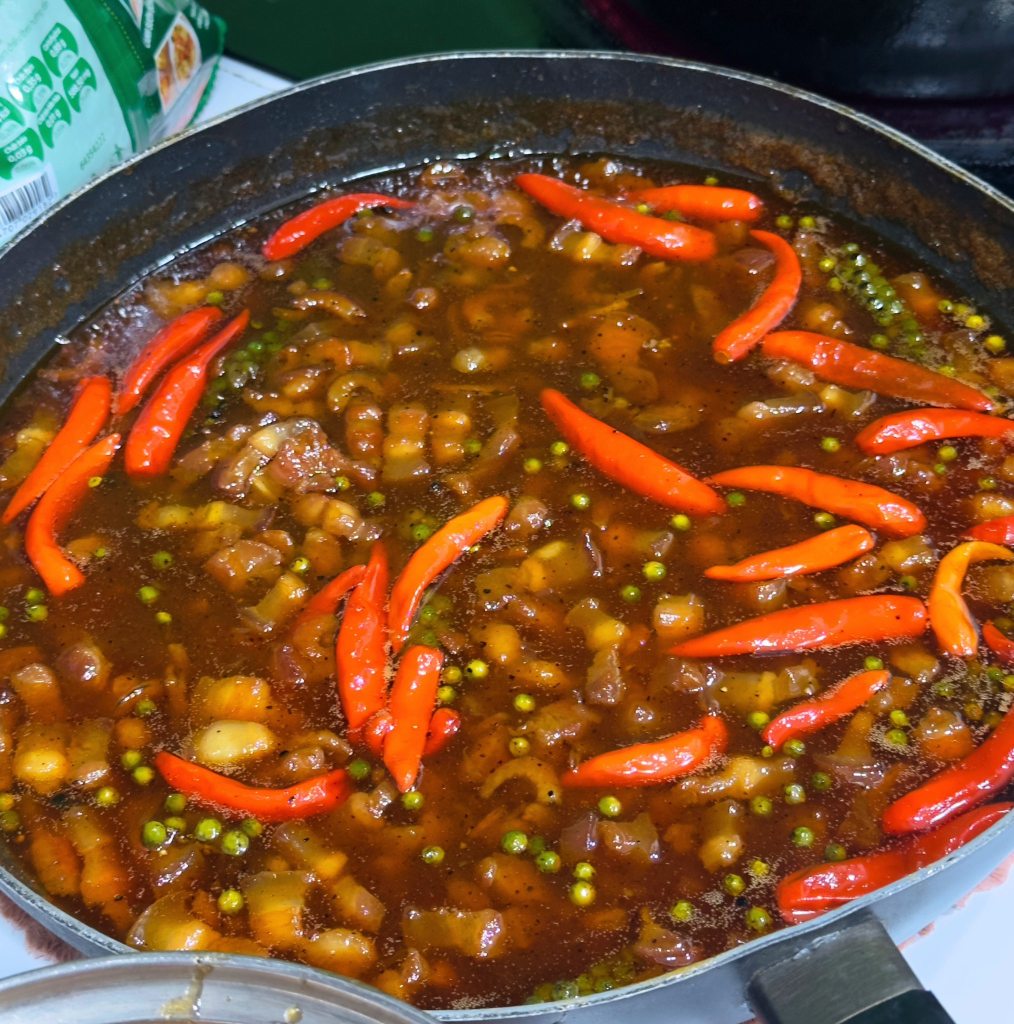
Bản giao hưởng của những thứ “Rẻ Tiền” Nấu kho quẹt là một bộ môn hóa học thú vị. Bạn cần nước mắm ngon (loại đạm cao), đường thốt nốt, tiêu sọ đập dập, tôm khô loại 1 và đặc biệt là Tóp mỡ (Fatty pork cracklings). Khi đun trên lửa liu riu, nước mắm và đường quyện vào nhau, keo lại, chuyển sang màu nâu cánh gián óng ả (Caramelize). Cái âm thanh xèo… xèo… lụp bụp… trong nồi đất nghe vui tai lạ lùng. Và khi mùi nước mắm kho bốc lên, nó đánh thức tuyến nước bọt của bạn mạnh mẽ hơn bất kỳ loại nước sốt Tây phương nào. Đó là mùi của quê hương. Mùi của những trưa hè mẹ nấu vội. Mùi của sự sum vầy. Kho quẹt dạy ta rằng: Không cần nguyên liệu đắt tiền, chỉ cần biết cách Phối Hợp (Harmonize), những thứ bình thường nhất sẽ trở thành kiệt tác (Umami Bomb).
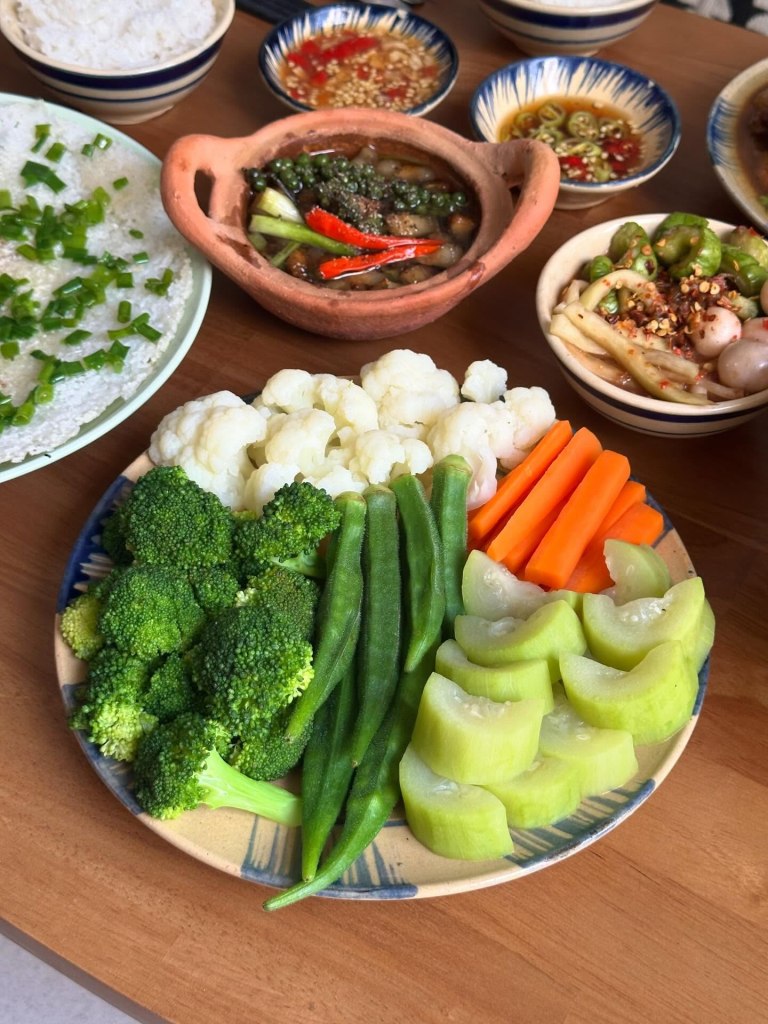
“Vườn Rau” trên bàn ăn Ăn kho quẹt mà thiếu đĩa rau luộc thập cẩm là một tội ác. Bầu luộc, đậu bắp, khổ qua, cà rốt, cải thìa… Mỗi loại rau một màu sắc, một độ giòn ngọt khác nhau. Khi chấm một miếng bầu luộc mềm mại vào thứ nước sốt sền sệt, mặn mặn ngọt ngọt cay cay đó… chao ôi! Vị ngọt thanh của rau hòa quyện với vị đậm đà của mắm. Đây chính là định nghĩa của Balance Diet (Cân bằng dinh dưỡng) kiểu Việt. Chúng ta ăn rất nhiều rau (chất xơ, vitamin) một cách ngon lành nhờ vào chén nước chấm thần thánh này. Ăn xong bữa cơm, bụng thấy nhẹ tênh (không đầy hơi như ăn thịt thà), nhưng tâm trí thì no nê, thỏa mãn. Đó gọi là Comfort Food (Món ăn chữa lành).
Hạnh phúc là tiếng “Cạo Cơm” Cái thú vị nhất của món này nằm ở phút cuối. Khi nồi kho quẹt đã cạn, chỉ còn lại lớp sốt dính dưới đáy nồi. Lấy một miếng cơm cháy giòn rụm, quệt một đường thật mạnh dưới đáy nồi. Tiếng rộp rộp của cơm cháy, vị mặn mòi còn sót lại… đó là miếng ngon nhất (The best bite). Hạnh phúc đôi khi không phải là ngồi trong phòng VIP máy lạnh. Hạnh phúc là được ngồi bệt dưới sàn nhà, cùng người thân vét sạch cái nồi đất, trán lấm tấm mồ hôi vì cay, và cười nói rôm rả. Sự gắn kết (Bonding) trong bữa cơm gia đình Việt Nam luôn bắt đầu từ những món ăn chung như thế.
Lời nhắn Chủ Nhật: Trưa nay, hãy tạm quên những app giao đồ ăn. Hãy đi chợ, mua mớ rau tươi. Về nhà thắng một nồi kho quẹt (nhớ cho nhiều tiêu và tóp mỡ nhé). Mời ba mẹ, hoặc bạn bè sang ăn. Bạn sẽ thấy, bữa tiệc xa xỉ nhất không nằm ở giá tiền trên menu, mà nằm ở tiếng cười của những người ngồi quanh mâm cơm ấy.
What to Eat on Sunday: Why a “Cleaned-Out” Clay Pot of Caramelized Fish Sauce Is More Precious Than a 5-Star Feast?)
Sunday, March 15th, 2026.
Sunday noon. Amidst a bustling Saigon with thousands of European, Asian, Japanese, Korean restaurants… I decided to crawl into the kitchen and pull out the old clay pot. Today I’m not eating Steak, not eating Sushi. I’m eating Scorched Rice with Caramelized Fish Sauce Dip (Cơm Cháy Kho Quẹt). Many think: “Gosh, that’s poor people’s food!” True, in the past, only the poor ate this. But today, to have a “proper” tray of boiled vegetables with Kho Quet is a luxury of Timeand Emotion.
The Symphony of “Cheap” Ingredients Cooking Kho Quet is an interesting chemistry class. You need good fish sauce (high protein), palm sugar, crushed peppercorns, premium dried shrimp, and especially Pork Cracklings (Tóp mỡ). Simmering over low heat, the fish sauce and sugar blend, thicken, turning into a glossy cockroach-wing brown (Caramelize). The sound sizzle… pop… inside the clay pot is strangely delightful. And when the smell of braised fish sauce rises, it triggers your salivary glands more powerfully than any Western sauce. It is the scent of home. The scent of rushed summer lunches cooked by Mom. The scent of reunion. Kho Quet teaches us: No need for expensive ingredients, just knowing how to Harmonize, the most ordinary things become a masterpiece (Umami Bomb).
The “Vegetable Garden” on the Table Eating Kho Quet without a platter of mixed boiled vegetables is a crime. Boiled gourd, okra, bitter melon, carrots, bok choy… Each vegetable has a different color, a different crisp sweetness. Dipping a piece of soft boiled gourd into that thick, salty-sweet-spicy sauce… oh my! The pure sweetness of the vegetable blends with the richness of the sauce. This is the definition of a Vietnamese-style Balanced Diet. We eat a lot of vegetables (fiber, vitamins) deliciously thanks to this divine dipping sauce. After the meal, the stomach feels light (not bloated like eating meat), but the mind is full and satisfied. That is called Comfort Food.
Happiness is the Sound of “Scraping Rice” The best part lies at the very end. When the pot is empty, leaving only a sticky layer of sauce at the bottom. Take a piece of crispy scorched rice, scrape a strong line across the bottom. The crunch of the rice, the lingering salty taste… that is The Best Bite. Happiness is sometimes not sitting in a VIP air-conditioned room. Happiness is sitting on the floor, scraping the clay pot clean with loved ones, forehead sweating from the spice, chatting and laughing. The Bonding in a Vietnamese family meal always starts from shared dishes like this.
Sunday Note: This noon, forget the food delivery apps for a moment. Go to the market, buy fresh veggies. Go home and cook a pot of Kho Quet (remember lots of pepper and pork cracklings). Invite your parents or friends over. You will see, the most luxurious feast lies not in the price on the menu, but in the laughter of those sitting around that tray.
 Tom's Notes
Leave a comment