
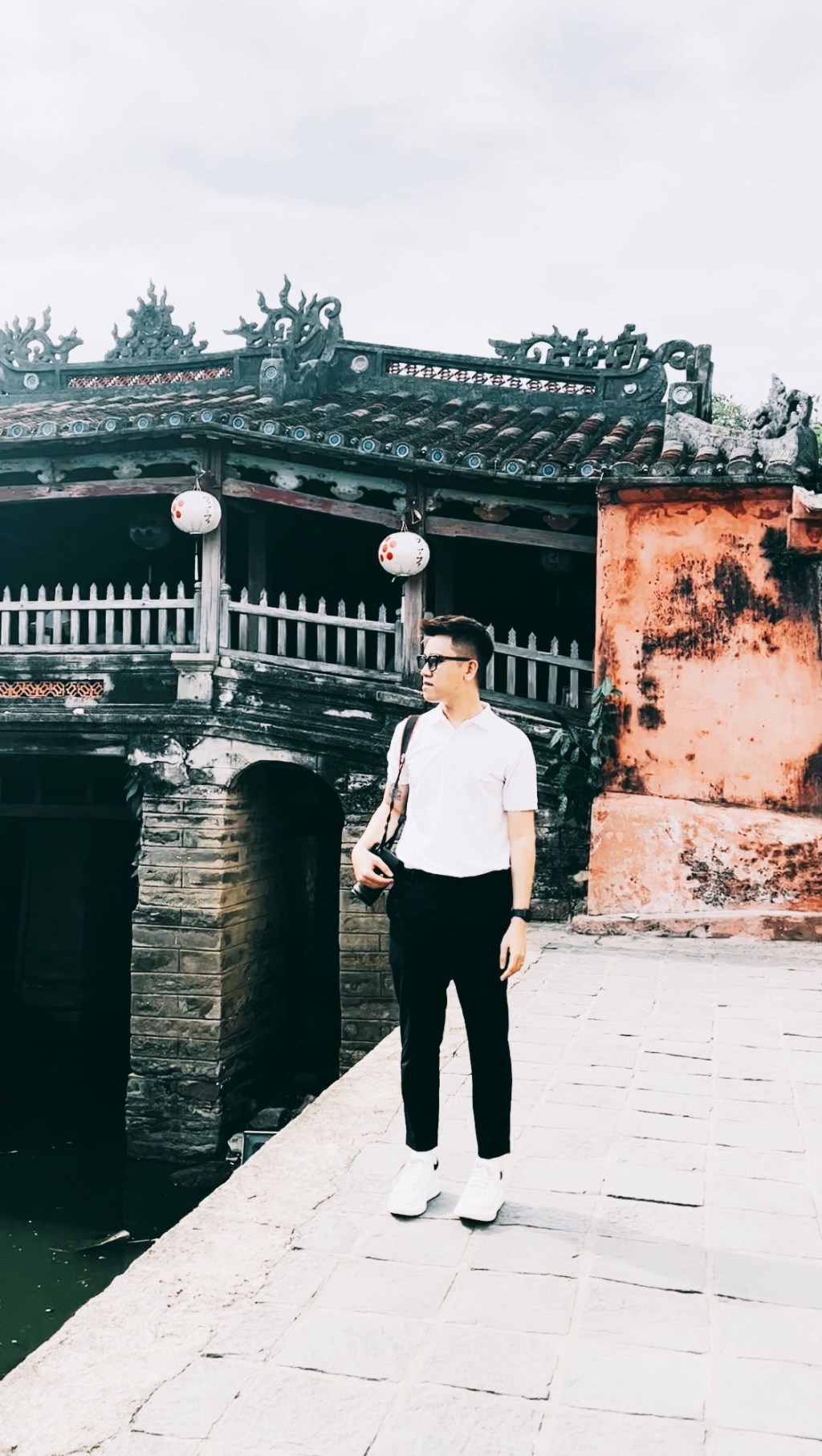
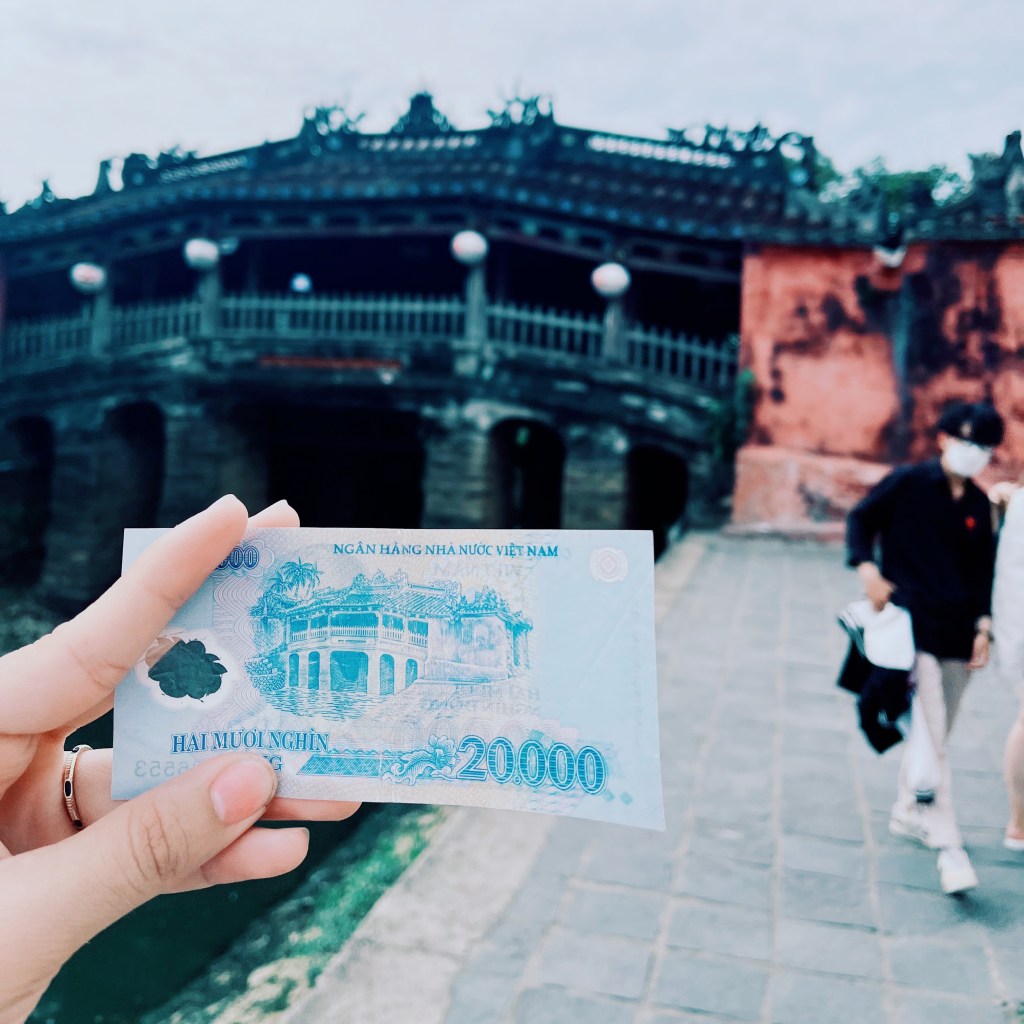
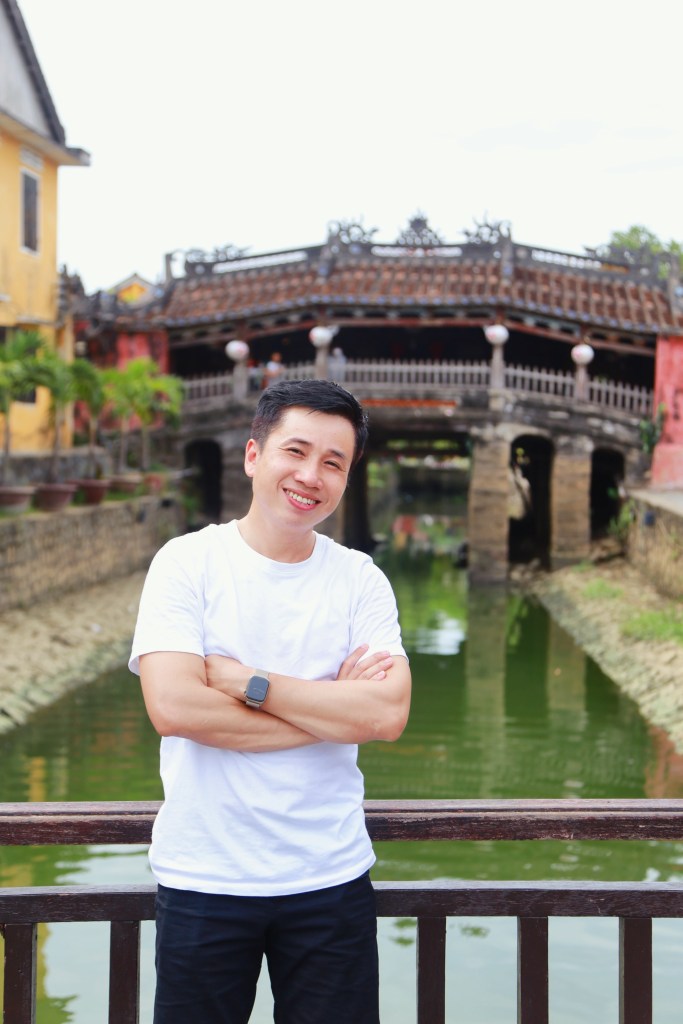
Ever noticed the charming bridge on Vietnam’s 20,000 VND banknote? That’s the Japanese Covered Bridge – or Chùa Cầu – an iconic landmark nestled in the heart of Hoi An Ancient Town. Let’s take a quick, captivating dive into its fascinating story!
Where History Meets Legend
Stretching over a quiet canal that connects Nguyen Thi Minh Khai and Tran Phu streets, the bridge was built in the early 17th century by Japanese merchants. Back then, it was known as “Nhật Bản Kiều” – the Japanese Bridge.
According to ancient Vietnamese records, it was seen as more than just a bridge – it was a spiritual sword holding down the mythical sea monster believed to cause earthquakes and floods. Known as Mamazu in Japan, Câu Long in China, and Con Cù in Vietnam, this beast’s spine was said to lie right under the canal in Hoi An. The bridge, built right across its back, was believed to keep the creature at bay – bringing peace to the communities living here.
A Symbol of Welcome
In 1719, Lord Nguyễn Phúc Chu visited Hoi An and renamed the bridge “Lai Viễn Kiều”, meaning “Bridge for Welcoming Guests from Afar.” It was a powerful message of Vietnamese hospitality – open arms to friends from all corners of the world.
Chùa Cầu – The Temple Bridge
Around 1653, a small temple was added on the west side of the bridge by Chinese immigrants from Minh Hương village. They dedicated it to Bắc Đế Trấn Võ (Xuanwu, the Dark Warrior), along with altars to Guan Yu and Guanyin, blending beliefs from Taoism, Buddhism, and local traditions. This gave the bridge its current name – Chùa Cầu, or “Pagoda Bridge.”
From Japan to Vietnam
After Japan’s 1633 isolation policy, Japanese traders had to return home. The last ship left Hoi An in 1637. From then on, the bridge was cared for by the local Vietnamese and later, by the Minh Hương community. Over the years, it was repaired and restored, preserving its spirit while evolving in design.
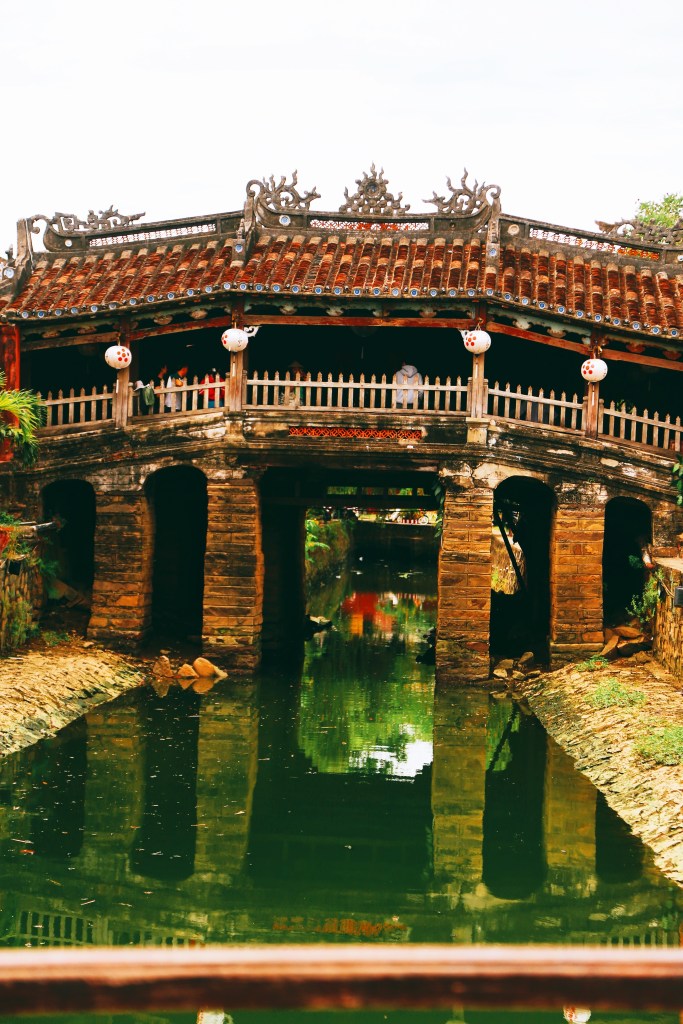
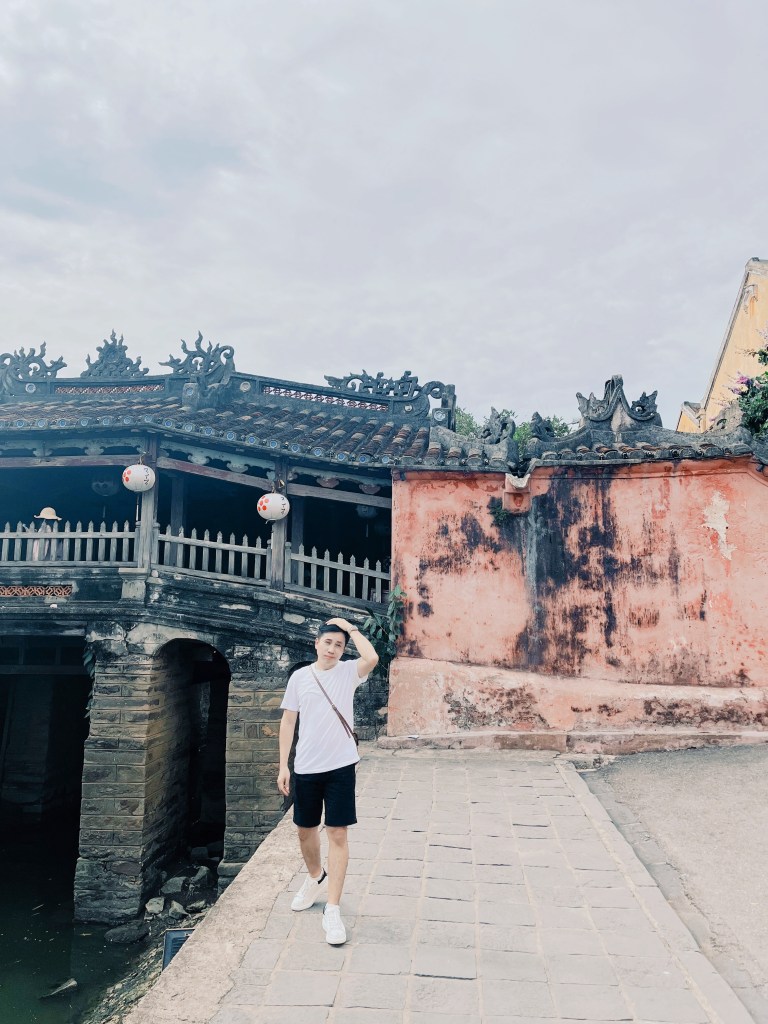
The bridge you see today is 18 meters long, built of wood with stone foundations. It still carries touches of its Japanese origins – low-sloped tiled roofs, wooden floors in a gentle arch, and once held sun and fan motifs that echoed Edo-period aesthetics.
At either end of the bridge, you’ll find statues of a dog and a monkey – sacred animals in Japanese culture and symbols of protection and balance.
Cultural Treasure, Living Legacy
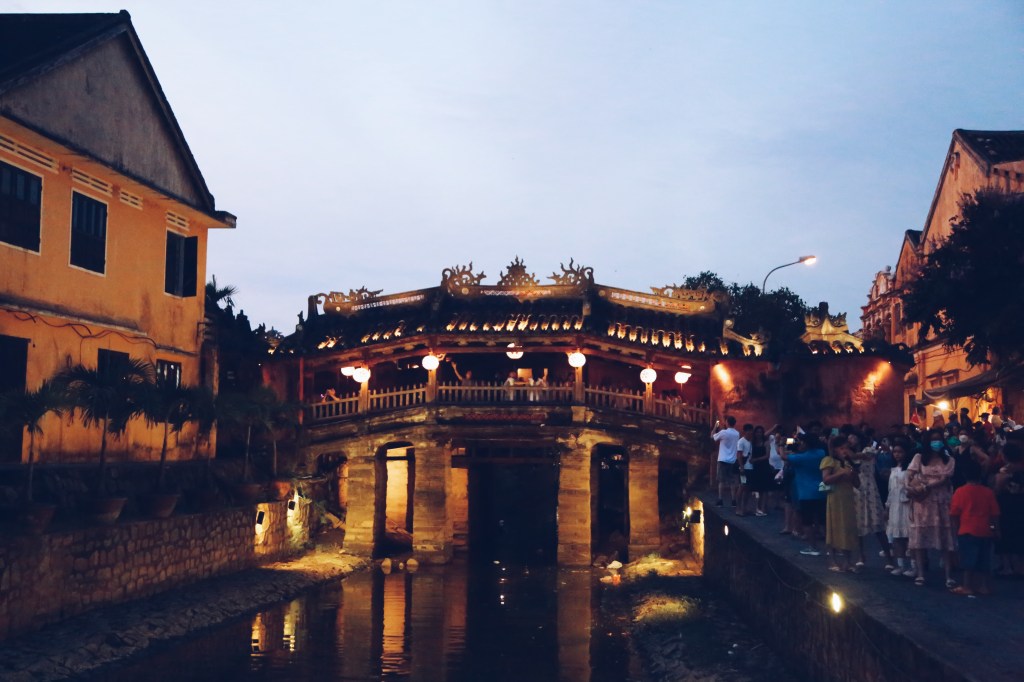
Today, the Japanese Covered Bridge stands not just as a picturesque spot, but as a living symbol of cultural harmony between Vietnamese, Japanese, and Chinese communities. Hán script couplets engraved at both ends of the bridge have even been carefully restored, preserving poetic wisdom for generations to come.
So next time you’re wandering through Hoi An, don’t just snap a photo – pause for a moment. Listen to the whisper of history in the breeze, and let this charming bridge welcome you with the same warmth it has offered travelers for centuries.
#HoiAn #VietnamHeritage #ChuaCau #JapaneseBridge #CulturalTravel #HiddenGemsVietnam #Vietnam #Beauty #Heritage JapaneseCoveredBridge #ChuaCau #HoiAnAncientTown #VietnamHeritage #HistoricalVietnam #VisitHoiAn #TravelVietnam #LegendaryPlaces #HiddenGemsVietnam #BridgeWithAStory
👉 Enjoyed the read? Hit like and share! And if you’re a coffee lover, support our journey by grabbing a bag of our specialty brew – crafted for curious minds and wandering souls. ☕💛
 Tom's Notes
Leave a comment