
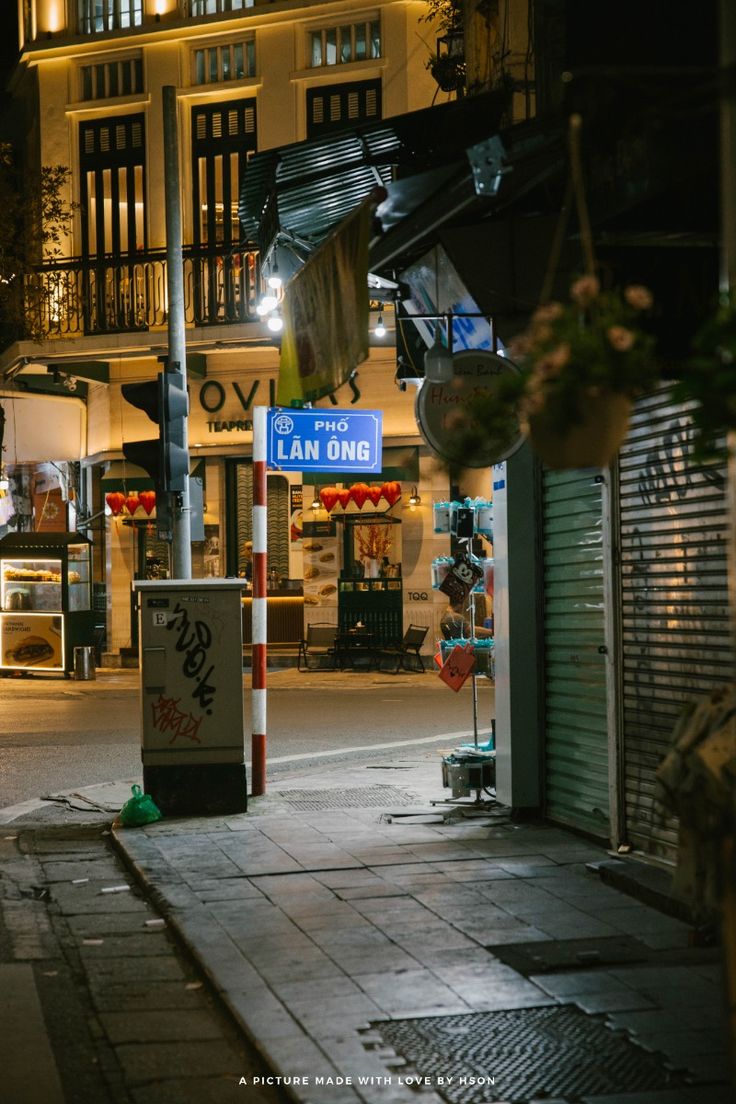
Trong quy hoạch đô thị phương Tây, “hẻm cụt” (dead-end) thường bị xem là một điểm nghẽn giao thông, một thiết kế lỗi làm giảm tính lưu thông của dòng chảy. Nhưng tại Sài Gòn, những con hẻm cụt chằng chịt lại là một tuyệt tác của kiến trúc phòng vệ tự nhiên. Nó không phải là một cái bẫy; nó là một “hệ sinh thái khép kín” từ chối sự bành trướng của bê tông và tạp âm đại lộ.
Với một Kiến trúc sư hệ thống, hẻm cụt chính là nguyên lý thiết lập ranh giới tàn nhẫn nhất để bảo vệ sự tĩnh lặng.
Màng lọc vật lý tước bỏ động năng Khi bạn rẽ từ một trục đường chính rực sáng đèn pha vào một con hẻm cụt, bạn có thể cảm nhận rõ rệt sự sụt giảm của động năng. Càng đi sâu vào trong, tiết diện đường càng thu hẹp, buộc mọi phương tiện phải giảm tốc độ về mức số không. Bố cục không gian này hoạt động như một màng lọc cơ học hoàn hảo: Nó chặn đứng những dòng xe cộ đi ngang qua (transit traffic), chỉ cho phép những người thực sự thuộc về hệ sinh thái đó được quyền tiến vào. Không có sự xô bồ của đám đông vãng lai, con hẻm tự động thiết lập một vùng vô trùng sinh học.
Cấu trúc tự quản và sự gắn kết lõi Vì bị bịt kín một đầu, một con hẻm Sài Gòn buộc các thành viên bên trong phải giao tiếp và tự vận hành như một thực thể độc lập. Họ chia sẻ chung một khoảng không gian lệch tâm, chung một bầu không khí và chung một bộ quy tắc ngầm (SOP) về sự tĩnh lặng. Không có sự can thiệp của ngoại cảnh, sự gắn kết nội bộ trở nên đặc quánh. Trong kinh doanh High-Ticket, bạn cũng cần xây dựng doanh nghiệp của mình như một “hẻm cụt” như vậy: Một hệ sinh thái lõi, nơi khách hàng vãng lai không thể tình cờ tạt ngang, và những người ở lại đều bị ràng buộc bởi một bộ tiêu chuẩn khắt khe nhất.
Điểm dừng của sự hỗn loạn Sự bành trướng vô tội vạ luôn mang theo mầm mống của sự hủy diệt. Một con đường thông hai đầu luôn phải gánh chịu mọi biến số của thành phố. Bằng cách thiết lập một “điểm mù” vô hình, hẻm cụt khước từ việc trở thành một phần của sự hỗn loạn đó. Nó đứng yên, quan sát đại lộ cuồn cuộn chảy bên ngoài, và tự hào bảo vệ nhịp đập chậm rãi của riêng mình.
Lời nhắn của Tom: Đừng thiết kế cuộc đời bạn như một ngã tư đường, nơi ai cũng có quyền đi qua và xả rác. Hãy thiết kế nó như một con hẻm cụt. Chỉ những người mang đúng tần số mới được phép gõ cửa.

Saigon Map – Coordinate #5: The Dead-End Alley & The Closed Ecosystem
In Western urban planning, a “dead-end” is often viewed as a traffic bottleneck, a flawed design that reduces the fluidity of the current. But in Saigon, the intricate web of dead-end alleys is a masterpiece of natural defensive architecture. It is not a trap; it is a “closed ecosystem” that rejects the expansion of concrete and boulevard noise.
To a Systems Architect, the dead-end alley is the most ruthless principle of setting boundaries to protect tranquility.
A physical filter stripping kinetic energy When you turn from a main thoroughfare blazing with headlights into a dead-end alley, you can distinctly feel the plunge in kinetic energy. The deeper you go, the narrower the cross-section becomes, forcing all vehicles to decelerate to zero. This spatial composition acts as a perfect mechanical filter: It completely blocks transit traffic, only allowing those who truly belong to that ecosystem the right to enter. Devoid of the hustle of transient crowds, the alley automatically establishes a biological sterile zone.
Self-governing structure and core cohesion Because it is sealed at one end, a Saigon alley forces the members inside to communicate and self-operate as an independent entity. They share an off-center spatial void, a common atmosphere, and a shared set of unwritten rules (SOPs) regarding silence. Without external interference, internal cohesion becomes incredibly dense. In High-Ticket business, you also need to build your enterprise like such a “dead-end”: A core ecosystem where transient clients cannot casually drop by, and those who stay are bound by the strictest set of standards.
The terminus of chaos Reckless expansion always carries the seeds of destruction. A two-way through street must bear all the variables of the city. By establishing an invisible “blind spot,” the dead-end alley refuses to become part of that chaos. It stands still, observes the boulevard churning outside, and proudly protects its own slow heartbeat.
Tom’s Note: Do not design your life like a crossroads where anyone has the right to pass through and litter. Design it like a dead-end alley. Only those carrying the exact right frequency are permitted to knock on the door.





Leave a Reply